Skip to content
[ad_1]
Introduction
In recent years, cannabidiol (CBD) has emerged as one of the most talked-about natural remedies.
Known for its various health benefits, CBD is a non-psychoactive compound derived from the hemp plant.
As more people seek alternatives to traditional medicine, understanding the power of CBD becomes increasingly essential.
In this article, we’ll explore what CBD is, its benefits, potential uses, and what you need to consider before making it part of your routine.
What is CBD?
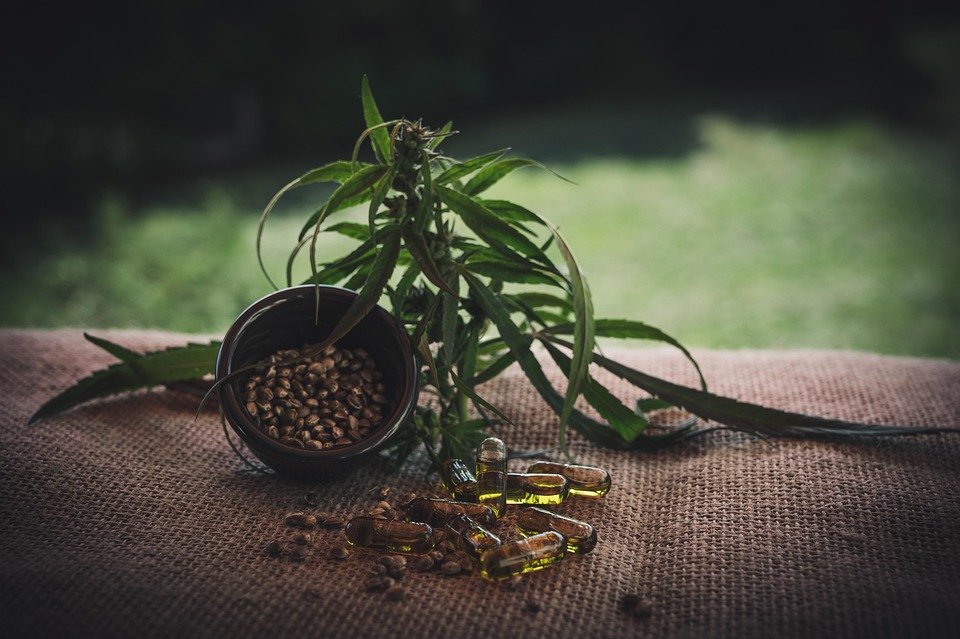
CBD, or cannabidiol, is one of over 100 cannabinoids found in the cannabis plant. Unlike THC (tetrahydrocannabinol),
CBD does not produce a “high” feeling. Instead, it interacts with the body’s endocannabinoid system, which plays a vital role
in regulating various physiological processes. This interaction allows CBD to offer therapeutic effects without the psychoactive side effects associated with THC.
Benefits of CBD
The potential benefits of CBD are numerous and varied. Research has indicated that CBD may help with:
- Anxiety Relief: Many users report that CBD helps reduce feelings of anxiety and promote relaxation.
- Chronic Pain Management: CBD has anti-inflammatory properties that may help alleviate chronic pain.
- Improved Sleep Quality: Some people find CBD beneficial for promoting restful sleep, especially for those struggling with insomnia.
- Anti-Seizure Effects: CBD has been shown to help reduce the frequency of seizures in certain types of epilepsy.
- Skin Health: Topical CBD products can be beneficial for managing acne and other skin conditions.
How to Use CBD
There are various methods for consuming CBD, depending on personal preference and purpose. Here are some popular options:
- Oils and Tinctures: Taken sublingually (under the tongue) for quick absorption.
- Edibles: CBD-infused gummies, chocolates, and beverages provide a tasty way to consume CBD.
- Capsules: Convenient for those who prefer a consistent dosage.
- Topicals: Creams and balms applied directly to the skin for localized relief.
Considerations Before Using CBD
While CBD is generally well-tolerated, there are several factors to consider before integrating it into your wellness routine:
- Quality: Always choose high-quality CBD products from reputable brands. Look for third-party lab testing results.
- Dosage: Start with a low dose and gradually increase until you find what works best for you.
- Consult with a Healthcare Provider: If you’re on medication or have underlying health issues, consult a healthcare professional before beginning CBD.
Conclusion
As more research unfolds around CBD, it’s clear that this natural compound has considerable potential for various health benefits.
Whether you’re seeking relief from anxiety, chronic pain, or simply wish to enhance your overall well-being, CBD might be a suitable
option to explore. Always remember to prioritize quality and consult with a healthcare professional as needed.
By understanding how to unlock the power of CBD, you can better integrate it into your health regimen and experience its full benefits.
Frequently Asked Questions (FAQ)
- 1. Is CBD legal?
- Yes, CBD is legal in many parts of the world, but regulations vary by state and country. Always check local laws.
- 2. Will CBD make me high?
- No, CBD is non-psychoactive and will not produce a “high” effect like THC.
- 3. How long does it take for CBD to work?
- The onset of effects can vary depending on the method of consumption, typically ranging from 15 minutes to 2 hours.
- 4. Can I take CBD with other medications?
- Consult your healthcare provider before combining CBD with other medications, as interactions may occur.
- 5. What are the side effects of CBD?
- Potential side effects include fatigue, changes in appetite, and diarrhea. However, most people tolerate it well.
[ad_2]