Skip to content
[ad_1]
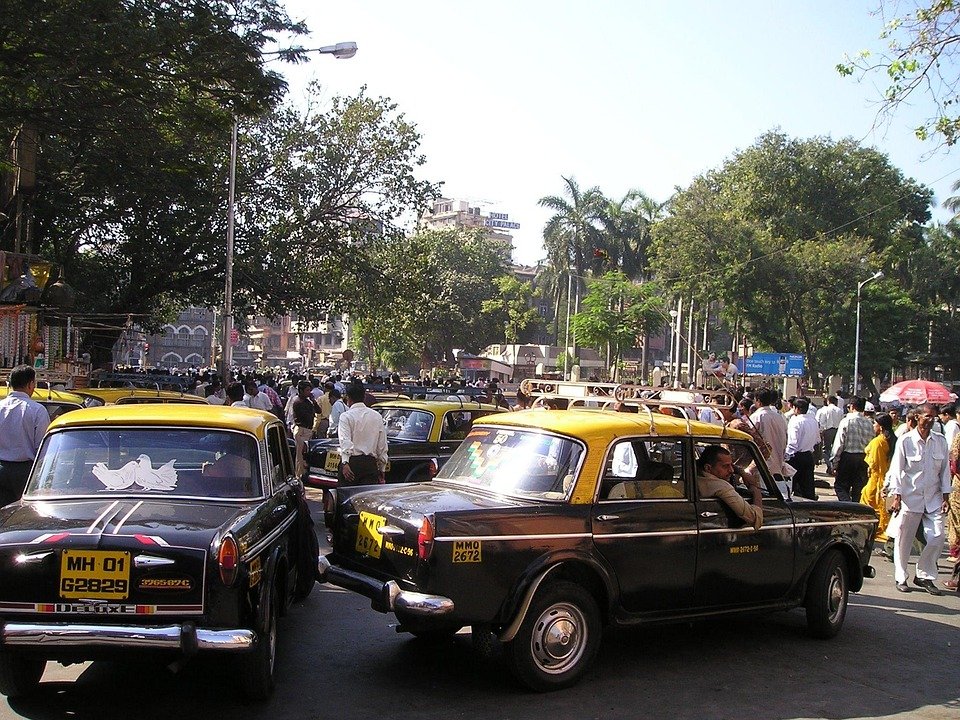
Mumbai, the capital city of the Indian state of Maharashtra, is often regarded as the financial, commercial, and entertainment capital of India. It stands as a testament to the country’s unique ability to blend diverse cultures, traditions, and modern elements seamlessly. With its bustling streets, historic landmarks, sprawling beaches, and vibrant arts scene, Mumbai is a cultural melting pot that reflects the myriad influences that have shaped it over centuries.
Historical Background
Mumbai’s history dates back to the 3rd century BC when it was a collection of seven islands. The city was primarily inhabited by fishing communities until the Portuguese arrived in the 16th century, giving it the name “Bombay.” The British later developed it into a major port city during the 19th century, prompting an influx of people from various parts of India and the world, including the Marathas, Gujaratis, Parsis, and more.
The architecture of Mumbai bears the hallmark of its colonial past, with buildings like the Gateway of India, Chhatrapati Shivaji Maharaj Terminus, and numerous Gothic structures. The blending of these historical influences with modern skyscrapers and shopping malls is a prevalent feature of the city.
Diversity of Cultures
Mumbai is a true microcosm of India, where numerous cultures coexist harmoniously. Each community contributes its unique flavor to the city. The city is predominantly Hindi-speaking, but it is also home to substantial populations of Marathi, Gujarati, Tamil, and Urdu speakers, among others.
Festivals
The city is a vibrant tapestry of festivals that showcase its cultural diversity. Ganesh Chaturthi, a Hindu festival celebrating the birth of Lord Ganesha, is one of the most widely celebrated events. The streets come alive with colorful decorations, processions, and music. Similarly, Eid, Diwali, Christmas, and Navratri witness enthusiastic participation from people of varying backgrounds, emphasizing communal harmony and shared joy.
Gastronomy: A Culinary Wonderland
Mumbai’s culinary scene is as diverse as its population. Street food is integral to the city’s culture, with iconic dishes like vada pav, pav bhaji, and bhel puri tempting the taste buds of locals and tourists alike. The city also boasts high-end restaurants offering various international cuisines, catering to the sophisticated palate.
One of the essential aspects of Mumbai’s gastronomy is the influence of various communities. The Parsi cuisine, with dishes like dhansak and salli boti, reflects the Persian roots of the community. Similarly, Punjabi dhabas and South Indian restaurants add to the rich food culture, making Mumbai a paradise for food lovers.
Art and Entertainment Hub
Mumbai is often dubbed the "City of Dreams" due to its thriving film industry, Bollywood, which serves as both a cultural staple and a major economic driver. The glamour of Bollywood attracts aspiring actors and filmmakers from across the globe, infusing the city with creativity and energy.
In addition to cinema, Mumbai is home to numerous theaters, art galleries, and museums, showcasing visual and performing arts. Institutions like the National Gallery of Modern Art and the Jehangir Art Gallery highlight the works of both emerging and established artists. Various cultural festivals, including the Mumbai Film Festival and Kala Ghoda Arts Festival, celebrate creativity and artistic expression.
Architectural Wonders
The architectural landscape of Mumbai serves as a testament to its rich history and modern aspirations. The juxtaposition of colonial-era buildings with contemporary skyscrapers is a captivating sight.
Colonial Architecture
Landmarks such as the Chhatrapati Shivaji Maharaj Terminus and the Victoria Terminus, a UNESCO World Heritage Site, stand tall as examples of Gothic Revival architecture. The iconic Taj Mahal Palace Hotel, with its Indo-Saracenic style, is another architectural gem that attracts visitors from around the world.
Modern Structures
On the other hand, the city’s skyline is punctuated by modern structures like the Mumbai International Financial Centre (Bandra-Kurla Complex) and the upcoming Lokhandwala Garden Tower. These buildings symbolize Mumbai’s relentless pursuit of modernization while coexisting with its historical roots.
Challenges in a Melting Pot
Despite its cultural vibrancy, Mumbai faces several challenges, including overcrowding, inequality, and infrastructure issues. Rapid urbanization has led to a growing population that strains resources and exacerbates issues like housing shortages and pollution.
The city also grapples with socio-economic disparities; while it is home to India’s wealthiest individuals, it has vast slums where a significant portion of the population lives in poverty. Addressing these challenges requires a collective effort from the government, non-profit organizations, and society.
The Spirit of Mumbai
What truly defines Mumbai is its spirit. The resilience of its people, often referred to as "Mumbaikars," stands out during times of adversity. Whether facing natural disasters, economic downturns, or social unrest, the city’s inhabitants unite to support one another. The year 2008’s terrorist attacks and the COVID-19 pandemic are poignant examples where the city’s spirit shone through in the face of adversity.
FAQs
1. What is the best time to visit Mumbai?
The best time to visit Mumbai is between November and February when the weather is cooler and more pleasant. The monsoon season, from June to September, can lead to heavy rains that might disrupt travel plans.
2. What are the must-visit landmarks in Mumbai?
Must-visit landmarks include the Gateway of India, Chhatrapati Shivaji Maharaj Terminus, Marine Drive, and the Elephanta Caves. Each of these sites showcases the city’s rich history and culture.
3. What is unique about Mumbai’s street food?
Mumbai’s street food is famous for its diverse flavors and variety. Signature dishes like vada pav, bhel puri, and pani puri highlight local culinary traditions and are readily available at street vendors across the city.
4. What transportation options are available in Mumbai?
Mumbai offers multiple transportation options, including local trains, buses, auto-rickshaws, and taxis. The Mumbai Metro has also expanded the city’s public transport network.
5. How does Mumbai celebrate its festivals?
Mumbai celebrates various festivals with great enthusiasm. Both Hindus and Muslims partake in festivities, showcasing communal harmony. Ganesh Chaturthi and Eid are particularly notable, with grand processions, decorations, and cultural performances.
6. Is Mumbai safe for tourists?
Mumbai is considered relatively safe for tourists, but it is always wise to stay attentive and aware of your surroundings. As in any major city, exercising caution in crowded areas is advisable.
In conclusion, Mumbai is not just a city; it is an experience. A harmonious blend of traditions and modernity, this bustling metropolis invites exploration and offers a glimpse into India’s diverse cultural landscape. It embodies the essence of resilience, diversity, and vibrancy that characterizes the nation as a whole.
[ad_2]