Skip to content
[ad_1]
Amritsar, a city in the northwestern Indian state of Punjab, is not just a geographical location but a spiritual epicenter that draws millions of visitors from around the globe. Known primarily for the Golden Temple, or Harmandir Sahib, Amritsar represents the essence of Sikh culture, hospitality, and spirituality. This article aims to explore the intricacies of this profound city, its rich history, cultural heritage, and the emotional depth found within its sacred structures.
Historical Background
Amritsar was founded in 1577 by Guru Ram Das Ji, the fourth Sikh Guru. The city initially served as a tranquil retreat and later evolved into a pivotal location for the Sikh community. Its name translates to "Pool of Nectar," highlighting its spiritual significance. The foundation of the Golden Temple was laid in 1581, symbolizing the core principle of Sikhism: equality, humility, and selfless service.
The city witnessed numerous historical events, including the Jallianwala Bagh massacre in 1919, where British troops opened fire on a peaceful gathering. This tragic incident left an indelible mark on the Indian independence movement and highlighted the city’s resilience and commitment to justice.
The Golden Temple: A Spiritual Beacon
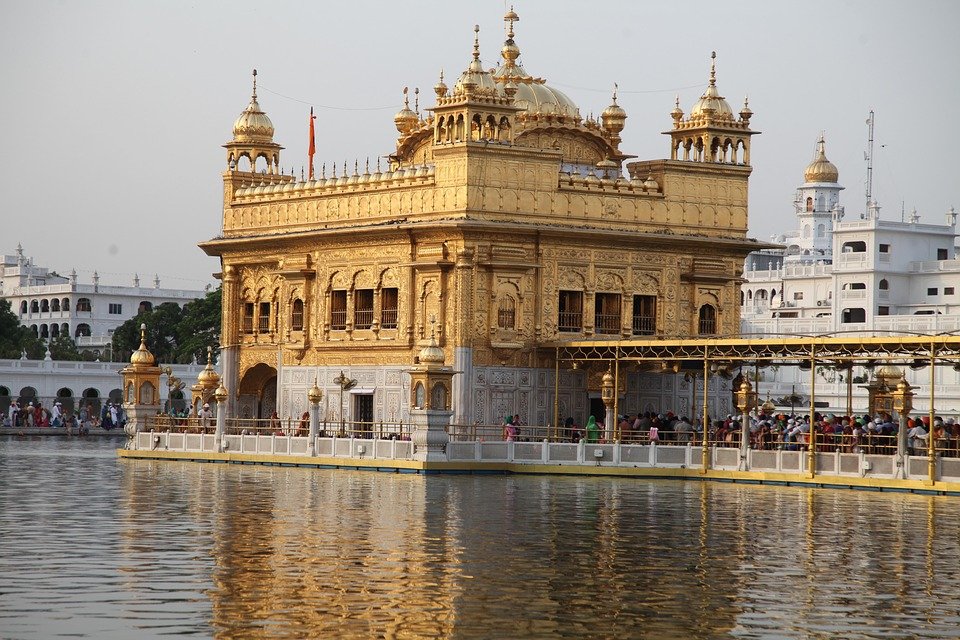
The heart of Amritsar is undoubtedly the Golden Temple. Its breathtaking architecture, gilded interior, and reflective pools create a serene atmosphere. The temple stands as a reminder of the Sikh philosophy that emphasizes oneness with the divine and humanity.
Architectural Splendor
The Golden Temple is a blend of Indo-Islamic and European architectural styles. The marble base adorned with intricate inlay work and the golden dome covered in pure gold foil depicts opulence yet simplicity. Walking around the central shrine, one can’t help but be captivated by the thousands of devotees engaged in prayer, meditation, and communal service.
Langar: A Meal of Unity
One of the most touching experiences at the Golden Temple is participating in the langar, a community kitchen that serves free meals to thousands daily, regardless of their background. This tradition, rooted in humility and equality, showcases the essence of Sikh principles: that everyone is welcome to sit together and share a meal.
Beyond the Golden Temple: Other Spiritual Sites
While the Golden Temple is the primary attraction, Amritsar houses several other sacred sites that deserve exploration.
Akal Takht
Adjacent to the Golden Temple, Akal Takht is the highest temporal authority of the Sikhs. It stands as a symbol of justice and equality. Visitors can witness the singing of hymns and readings from the Guru Granth Sahib, the holy scripture of Sikhism, filling the air with divine vibrations.
Jallianwala Bagh
A few minutes from the Golden Temple lies Jallianwala Bagh, a poignant memorial that commemorates the lives lost in the 1919 massacre. The garden retains the historical significance of the event and serves as a reminder of the sacrifices made for freedom. The Martyrs’ Well, where many jumped to escape gunfire, stands eerily impactful, encouraging reflection on the price of liberty.
Partition Museum
Located in the Town Hall, the Partition Museum seeks to educate visitors about the partition of India in 1947. It houses personal stories, photographs, and artifacts related to the traumatic events and serves as a vital recognition of the struggles faced by millions during this period.
Cultural Richness: Festivals and Local Life
Amritsar is a city that lives and breathes culture. Various festivals bring the city to life, with vibrant processions and celebrations. Baisakhi, the harvest festival, is marked by joyous celebrations, religious processions, and lively folk dances. Similarly, the birth anniversary of Guru Nanak, the founder of Sikhism, involves congregations chanting hymns and performing charitable acts, embodying community spirit.
Exploring local markets, such as Hall Bazaar, offers insight into the everyday lives of the residents. Traditional Punjabi cuisine, characterized by rich flavors and generous portions, invites culinary enthusiasts to indulge in delicacies like Amritsari kulchas, lassi, and jaggery sweets.
Spiritual Experiences: A Journey Inward
Visiting Amritsar is not merely a trip to religious sites; it’s a journey inward. The serene ambiance of the Golden Temple encourages visitors to meditate and reflect. Many find a sense of peace and clarity amidst the bustling energy of the city. Case studies highlight that numerous visitors, irrespective of their faith, report spiritual awakenings or heightened senses of gratitude and compassion during their stay.
Community and Connection
One of the most remarkable aspects of Amritsar is the overwhelming sense of community. The Sikh principle of "Sewa" (selfless service) is evident everywhere, from the langar to the numerous social initiatives led by local organizations. Engaging with the local community provides an authentic experience of Sikh values in action.
Conclusion
Amritsar is a confluence of spirituality, history, and culture. The Golden Temple stands as a testament to the Sikh faith’s universal message of equality and service. However, the city’s depth goes beyond its primary shrine—it weaves a narrative of resilience, compassion, and unity. A journey through Amritsar is more than a pilgrimage; it’s an invitation to explore the spiritual heart that connects all of humanity.
FAQs
Q1: What is the best time to visit Amritsar?
A1: The best time to visit Amritsar is from October to March when the weather is cool and pleasant.
Q2: Is there an entry fee for the Golden Temple?
A2: No, entry to the Golden Temple is free for all visitors.
Q3: What should I wear while visiting the Golden Temple?
A3: Visitors are required to dress modestly. It’s advised to cover your head and remove your shoes before entering.
Q4: How can I participate in the langar?
A4: Participation in the langar is open to everyone. Simply enter the langar hall, collect a plate, and serve yourself from the various food stations.
Q5: Are there accommodation options available in Amritsar?
A5: Yes, Amritsar offers a variety of accommodation options ranging from budget hotels to luxury resorts, making it accessible for all kinds of travelers.
Exploring Amritsar is a journey of the heart and spirit, offering profound lessons in unity, compassion, and gratitude.
[ad_2]