Skip to content
[ad_1]
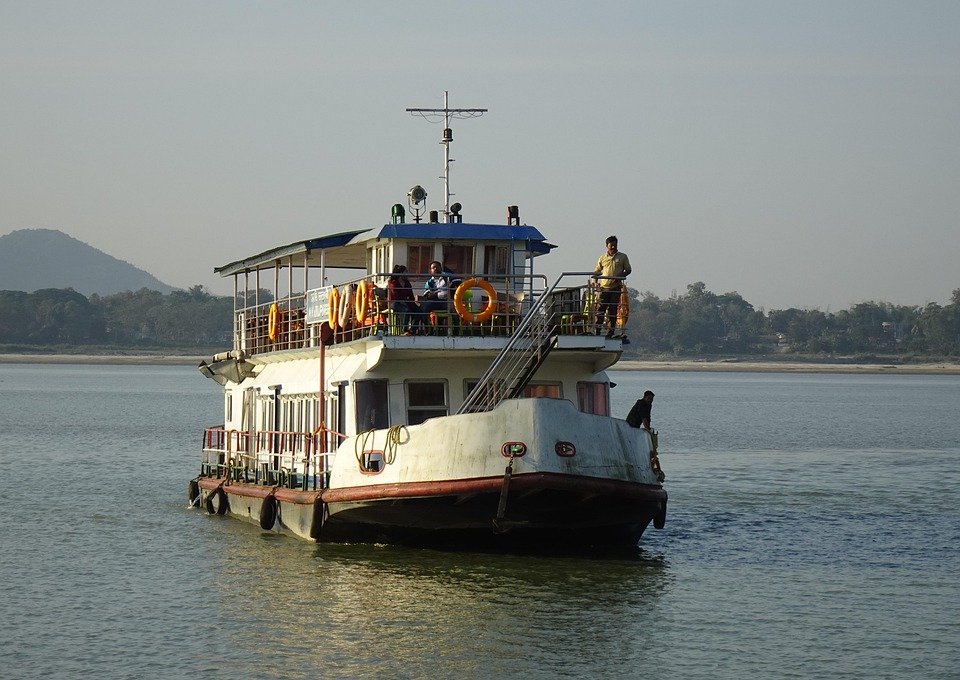
Nestled alongside the mighty Brahmaputra River in Assam, Guwahati serves as a vital hub and a charming introduction to Northeast India. This vibrant city, which boasts a rich tapestry of cultures, traditions, and natural beauty, is often referred to as the "Gateway to Northeast India." With its strategic location, lush landscapes, and diverse ethnic communities, Guwahati offers an unrivaled experience for travelers seeking adventure, culture, and history.
A Cultural Melting Pot
Guwahati is characterized by its unique blend of Assamese, Bodo, and various tribal cultures, making it a melting pot of traditions and customs. Festivals such as Bihu, Rongali Bihu, and Magh Bihu are celebrated with much pomp and grandeur, showcasing traditional dance forms and vibrant clothing. The city is also home to numerous temples, the most notable being the Kamakhya Temple, an important pilgrimage site that attracts visitors from all over India.
The Temples of Guwahati
The spiritual ambiance in Guwahati is palpable, especially around the temple complexes. The Kamakhya Temple, perched atop the Nilachal Hill, is dedicated to the goddess Kamakhya and represents one of the Shakti Peethas in Indian mythology. Its unique rituals and the myth of the goddess enhance its allure, attracting pilgrims and tourists alike. Other temples like Umananda Temple, located on Peacock Island, and Chaitanya Pahar display the rich religious diversity of the region.
Scenic Landscapes and Nature
Guwahati is blessed with natural beauty. The city is surrounded by hills and lush greenery, offering numerous options for outdoor enthusiasts. The Assam State Zoo and Botanical Garden is a significant attraction for families and nature lovers. Home to many exotic species, the zoo also features a botanical garden that provides a peaceful retreat from the bustling city life.
Visiting Kaziranga National Park
A short drive from Guwahati, Kaziranga National Park is a UNESCO World Heritage site and a must-visit for wildlife enthusiasts. Known for its population of the Great Indian One-Horned Rhinoceros, the park also hosts elephants, tigers, and a myriad of bird species. Jeep and elephant safaris through the park offer visitors the chance to experience its magnificent wildlife up close.
Culinary Delights
No visit to Guwahati would be complete without sampling the local cuisine. The food here is a delightful blend of flavors that emphasize rice, fish, meat, and greens. Dishes like Assam Laksa, Khar (a traditional Assamese dish made from raw papaya), and Masor Tenga (a tangy fish curry) are highly recommended. Street food is also vibrant in Guwahati, with stalls offering items like pitha (rice cakes), aloo bonda, and chaat.
Vibrant Markets and Shopping
Guwahati’s markets are a treasure trove of handicrafts, textiles, and local products. The Paltan Bazaar is one of the busiest shopping areas in the city, offering everything from handwoven Assamese textiles to jewelry. The local silk, especially Muga silk, is a cherished souvenir. For a more traditional shopping experience, visit the Fancy Bazaar, known for its wide range of goods, including local handicrafts, spices, and street food.
Adventure and Eco-Tourism
For those keen on adventure, Guwahati provides numerous options. Trekking in the nearby Khasi Hills and exploring the lush landscapes via biking or hiking can be invigorating. Water sports like kayaking and rafting on the Brahmaputra River are also gaining popularity, providing both thrills and stunning views of the surrounding landscape.
Eco-Tourism Initiatives
With a growing focus on eco-tourism, several initiatives have emerged that emphasize sustainable travel practices. These include guided tours that inform visitors about local flora and fauna while supporting conservation efforts. Tourists can engage in activities like bird watching and nature trails, contributing to the preservation of the region’s natural habitats.
Events and Festivals
The festival calendar in Guwahati is packed with events that reflect the rich culture and history of the region. The Rongali Bihu festival, celebrated in April, marks the Assamese New Year and is a time for joy, music, and dance. Other notable festivals include Durga Puja and Christmas, showcasing the city’s secular spirit.
Transportation and Accessibility
Guwahati is well-connected by air, rail, and road, making it an accessible destination. The Lokpriya Gopinath Bordoloi International Airport serves both domestic and international flights. The city is also a significant railway hub, with trains connecting it to major cities across India. For local travel, one can use auto-rickshaws, buses, or hire taxis, making it easy to explore different attractions.
The Vibrancy of Nightlife
The nightlife in Guwahati reflects the city’s youthful spirit. Several cafes, bars, and nightclubs offer vibrant atmospheres for those looking to unwind after a day of exploration. Live music venues are also common, showcasing local talent and traditional music forms.
Conclusion
Guwahati serves not just as a gateway to Northeast India but also as a destination filled with experiences waiting to be discovered. Whether it’s the stunning natural beauty, rich cultural heritage, or delectable cuisine, Guwahati leaves an indelible mark on the hearts of its visitors. For those looking to explore the unexplored, this city is the quintessential starting point for an unforgettable journey through Northeast India.
FAQs
1. What is the best time to visit Guwahati?
The ideal time to visit Guwahati is between October and April when the weather is pleasant and suitable for outdoor activities.
2. How do I reach Guwahati?
Guwahati is accessible by air, rail, and road. The Lokpriya Gopinath Bordoloi International Airport connects it to major cities, and the railway station has numerous train services.
3. What are some must-visit attractions in Guwahati?
Key attractions include Kamakhya Temple, Assam State Zoo, Umananda Temple, and the bustling markets such as Paltan Bazaar.
4. Is Guwahati safe for travelers?
Yes, Guwahati is generally safe for travelers. However, it’s advisable to take the usual precautions, especially at night.
5. What type of food is famous in Guwahati?
Guwahati is known for its unique Assamese cuisine, highlighting fish, rice, and local greens. Street food is also popular and must-try options include pitha and aloo bonda.
6. Are there good shopping areas in Guwahati?
Yes, Paltan Bazaar and Fancy Bazaar are popular for local handicrafts, textiles, and souvenirs.
7. Can I experience wildlife in Guwahati?
Absolutely! Kaziranga National Park is a short drive away from Guwahati and is famous for its rich biodiversity, especially the one-horned rhinoceros.
Guwahati is truly an enchanting entry point to the wonders of Northeast India, and it beckons exploration from travelers around the globe.
[ad_2]