Skip to content
[ad_1]
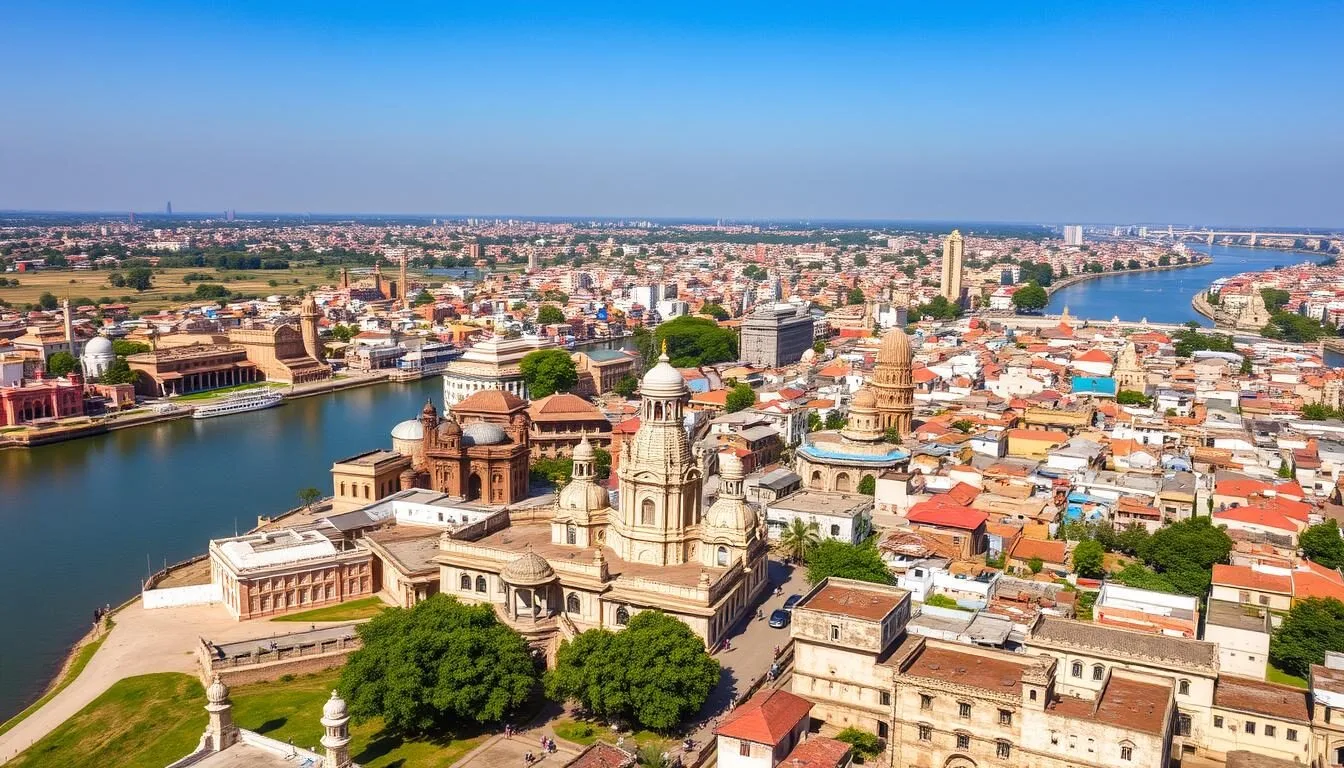
Known as the capital of Bihar, Patna is a city steeped in history, culture, and vibrant life. With a past that weaves together various dynasties, religions, and cultures, Patna has evolved into one of India’s most significant cities. This article embarks on a historical journey through Patna, uncovering its illustrious past, prominent landmarks, cultural richness, and the vital role it plays in modern India.
Ancient Foundations
Patna, originally known as Pataliputra, has roots that trace back to 600 BCE. It was the capital of several ancient empires, including the Maurya and Gupta empires. Pataliputra was strategically located at the confluence of the Ganges, Son, and Punpun rivers, facilitating trade and cultural exchange. It became a hub of administration, religion, and learning.
The Mauryan Era
The city’s prominence rose significantly during the Mauryan Empire, particularly under Emperor Ashoka, who ruled from 268 to 232 BCE. Ashoka is best remembered for his promotion of Buddhism and his edicts that spread messages of peace and ethics. Monumental pillars and stupas built during this time can still be found in and around Patna, showcasing the architectural brilliance of the era.
Gupta Dynasty and the Golden Age
In the 4th century CE, Patna flourished under the Gupta dynasty, often referred to as a “Golden Age” of art, culture, and science in India. Scholars like Aryabhata and Kalidasa thrived during this period, and Patna became a significant educational center. The Nalanda University, located nearby, drew students from across Asia.
Transition Through Time
As centuries passed, Patna saw various rulers, including the Shunga, Kushan, and later, the Mughals and British. Each of these periods left its mark on the city, reflected in its architecture, culture, and festivals.
Mughal Influence
The arrival of the Mughals in the 16th century added an architectural splendor to Patna. The tomb of the notable Muslim saint, Khwaja Rukn-ud-Din, stands as a testament to this era. The city also served as an important center for trade and commerce during this period, attracting merchants from the Middle East and Central Asia.
Colonial Impact
The British colonial era brought significant changes to Patna. In the 19th century, the city was modernized with the construction of railways, roads, and civic infrastructure. The effects of the British Raj can still be observed in the colonial architecture lining the city’s streets.
The Fight for Independence
Patna played a robust role in the Indian freedom struggle. Leaders like Dr. Rajendra Prasad, who later became the first President of India, hailed from Bihar. The city hosted numerous meetings and protests, reinforcing its status as a center of political activity.
Modern Patna
Today, Patna stands as a vibrant city, balancing its rich heritage with modern developments. While the past is deeply etched into its fabric, contemporary Patna also boasts educational institutions, burgeoning industries, and a youthful population.
Educational Hub
As an educational hub, Patna is home to several prestigious institutions, including Patna University, founded in 1917, and the National Institute of Fashion Technology (NIFT). Its commitment to education has caught the attention of many students from across the country, contributing to its cosmopolitan vibe.
Cultural Diversity
Patna is a melting pot of cultures, religions, and traditions. Festivals such as Chhath Puja, Diwali, and Eid are celebrated with immense fervor, depicting the city’s diversity. Cultural events, art exhibitions, and music festivals further enrich the city’s cultural tapestry.
Culinary Experience
The culinary scene in Patna is equally vibrant. The city is known for its traditional Bihari dishes, including Litti Chokha, Sattu Paratha, and various sweet treats like Thekua. Street food stalls and bustling markets fill the air with tantalizing aromas, offering an irresistible culinary journey.
Notable Landmarks
Patna is home to several historical landmarks that showcase its rich heritage:
-
Golghar: Built in 1786, this granary features a unique beehive structure and offers panoramic views of the Ganges River and the city.
-
Bihar Museum: Opened in 2015, this modern museum houses artifacts from ancient Bihar, showcasing the state’s rich history, art, and culture.
-
Mahavir Mandir: One of the most famous temples in Patna, dedicated to Lord Hanuman, it attracts thousands of devotees daily.
-
Ghandi Maidan: A historical ground that has hosted numerous significant events, including freedom rallies and cultural programs.
- Nalanda University Ruins: Located nearby, these ruins are a UNESCO World Heritage Site and a testament to the rich educational history of the region.
Challenges and Opportunities
While Patna has made significant strides in development, it still faces challenges, including infrastructure deficits, population growth, and urbanization issues. However, the government’s ongoing initiatives aim to address these challenges and promote sustainable development.
Future Prospects
The future of Patna appears promising. With a focus on improving infrastructure, enhancing education, and fostering economic growth, Patna is set to become a crucial player in the country’s transformative journey. Investments in technology, renewable energy, and tourism can unlock further potential for the city, attracting more inhabitants and visitors.
Conclusion
Patna is not just a destination but a journey through India’s historical heart. Its rich tapestry of cultures, traditions, and stories creates a vibrant narrative that continues to unfold. As the city blends its historical significance with modern aspirations, it remains a beacon of inspiration, reflecting the resilience and spirit of its people.
FAQs
-
What is the historical significance of Patna?
- Patna, historically known as Pataliputra, was the capital of several significant empires, including the Maurya and Gupta. It served as a central hub for trade, education, and religion.
-
What are the major attractions in Patna?
- Key attractions include Golghar, Bihar Museum, Mahavir Mandir, and the ruins of Nalanda University. Each site offers a glimpse into the city’s rich history.
-
What festivals are celebrated in Patna?
- Patna celebrates numerous festivals such as Diwali, Eid, Holi, and Chhath Puja, reflecting its cultural diversity.
-
Is Patna a good place for education?
- Yes, Patna is home to several reputed educational institutions, making it an important educational hub in the region.
- What local delicacies should I try in Patna?
- When in Patna, don’t miss traditional dishes like Litti Chokha, Sattu Paratha, and regional sweets like Thekua.
[ad_2]