Skip to content
[ad_1]
Cannabidiol, commonly known as CBD, has gained immense popularity for its potential health benefits. As more folks are becoming interested in natural remedies, it’s essential to understand what CBD is, how it works, and what it can do for you. This article will guide you through the various aspects of CBD, making it easy to grasp the essentials.
What is CBD?
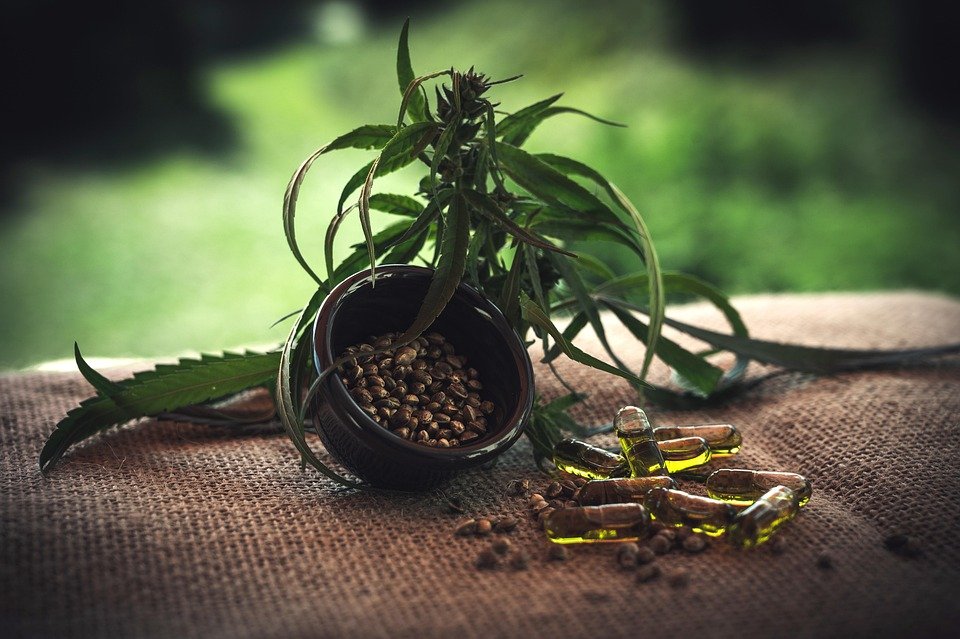
CBD is a compound derived from the cannabis plant. Unlike its better-known counterpart, THC (tetrahydrocannabinol), CBD is non-psychoactive, meaning it won’t get you high. Instead, many users turn to CBD for potential therapeutic effects, such as pain relief, anxiety reduction, and improved sleep quality.
The Science Behind CBD
CBD interacts with the body’s endocannabinoid system (ECS), a complex cell-signaling system that plays a role in regulating various functions, including mood, sleep, appetite, and immune response. By binding to cannabinoid receptors in the ECS, CBD may help restore balance to these systems, offering various health benefits.
Health Benefits of CBD
One of the most talked-about aspects of CBD is its potential health benefits. Here are some of the most credible uses backed by research:
Pain Relief
Many people use CBD for pain management. Studies suggest that CBD may reduce inflammation and alleviate chronic pain, making it a popular choice for those suffering from conditions like arthritis or fibromyalgia.
Anxiety and Depression
CBD is increasingly seen as a natural alternative for managing anxiety and depression. Research indicates that it may help decrease anxiety levels in both humans and animals.
Sleep Disorders
CBD may improve sleep quality and help those suffering from insomnia or sleep disorders. By addressing underlying causes like anxiety or pain, it can promote a more restful night’s sleep.
Skin Conditions
Topical CBD products are gaining traction for their potential benefits in treating acne, eczema, and other skin conditions due to their anti-inflammatory properties.
Different Forms of CBD
CBD is available in various forms, making it accessible for different preferences. Here are some common options:
Oils and Tinctures
CBD oil is one of the most flexible options. Users can place it under the tongue for quick absorption or add it to food and beverages.
Edibles
CBD-infused edibles, such as gummies or chocolates, provide a tasty and discreet way to consume CBD. They offer longer-lasting effects, although they take longer to kick in.
Topicals
CBD creams, balms, and lotions are ideal for localized treatment. They are easy to apply and can target specific areas of pain or inflammation.
Is CBD Safe?
CBD is generally considered safe, but it’s essential to discuss with your healthcare provider, especially if you’re taking other medications. Possible side effects can include fatigue, changes in appetite, or gastrointestinal discomfort. Always ensure you are using high-quality products from reputable sources to minimize risks.
The Legal Status of CBD
The legal status of CBD can be confusing. In many areas, CBD derived from hemp (with less than 0.3% THC) is legal. However, regulations can vary by state or country, so it’s crucial to check local laws before purchasing or consuming CBD products.
Conclusion
Unlocking the secrets of CBD opens doors to numerous health benefits that many people are finding invaluable. Whether you’re dealing with chronic pain, anxiety, or sleep issues, CBD may offer a natural alternative worth exploring. As always, do your research, consult healthcare professionals, and ensure you choose high-quality products.
Frequently Asked Questions (FAQ)
1. Can CBD make me high?
No, CBD is non-psychoactive and will not get you high. THC is the compound responsible for those effects.
2. How do I determine the right dosage of CBD?
Finding the right dosage can vary by individual. Start with a low dose and gradually increase until you find what works best for you.
3. Can I use CBD for anxiety?
Many users report that CBD helps reduce anxiety symptoms. However, it’s best to consult with a healthcare professional for personalized advice.
4. Are there any drug interactions with CBD?
Yes, CBD can interact with certain medications. Always talk to your doctor before starting CBD, especially if you’re on other medications.
5. Is CBD legal?
The legality of CBD varies by location. It is generally legal in places where hemp-derived products are allowed, but always check local laws.
[ad_2]