Skip to content
[ad_1]
Have you ever stopped to think about just how remarkable your body is? From your brain’s processing power to the strength of your bones, the human body is a marvel in itself. In this article, we will explore ten surprising facts about the human body that many people might not know. Prepare to be amazed!
1. The Adult Human Body Has Fewer Bones Than a Baby
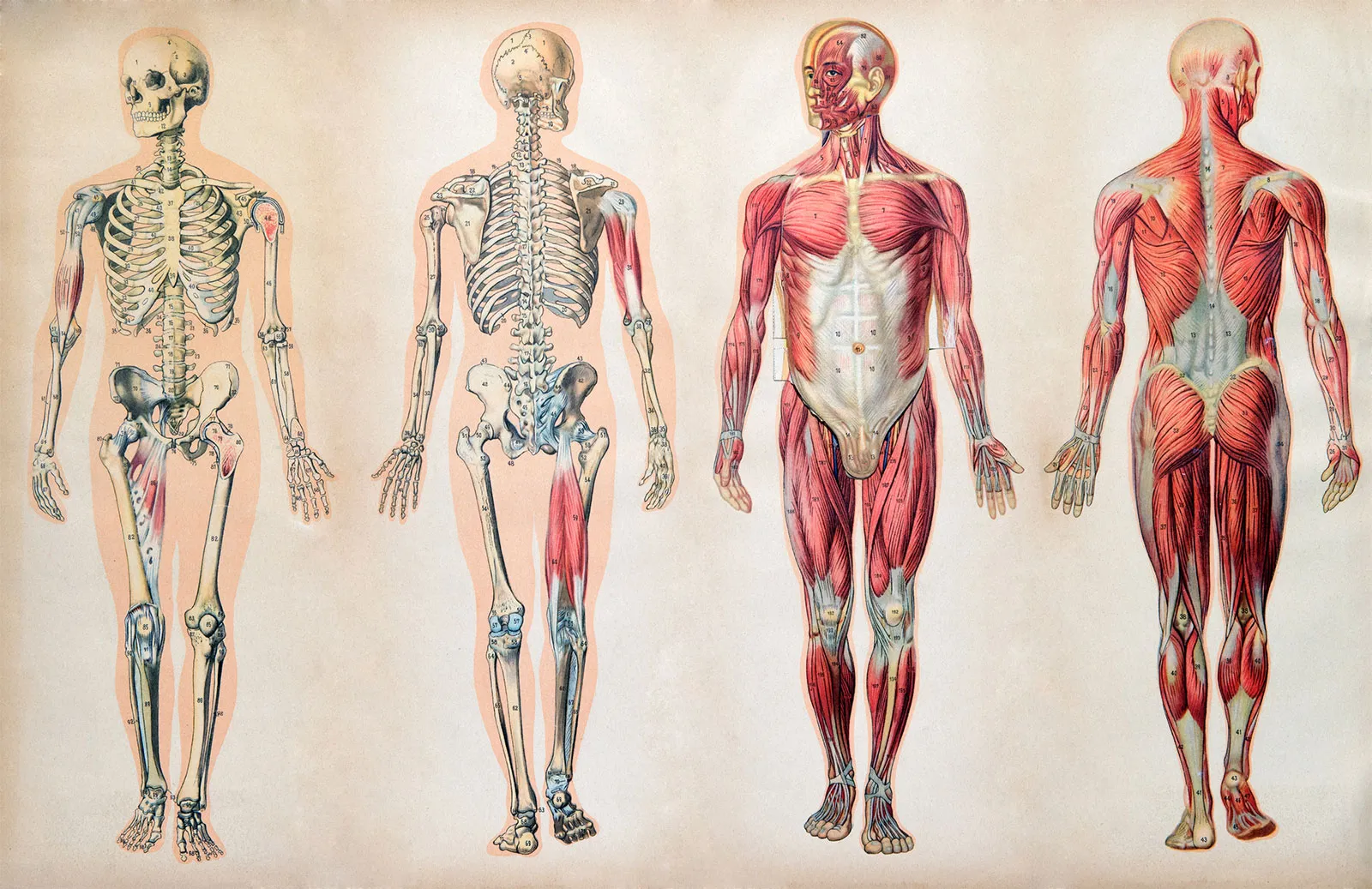
It’s fascinating to learn that babies are born with approximately 270 bones! However, as they grow, some of these bones fuse together, resulting in a total of 206 bones in an adult body. This fusion occurs primarily in the skull and spine, which allows for greater stability as we age.
2. The Heart Beats Over 100,000 Times a Day
On average, the human heart beats about 70 to 75 times per minute. That equates to more than 100,000 beats each day! This remarkable organ pumps blood throughout the body, ensuring that every cell receives the oxygen and nutrients it needs to function properly.
3. Your Stomach Has Its Own Brain
Did you know that your stomach contains around 100 million neurons? Often referred to as the “second brain,” this network of nerve cells helps manage various digestive processes. This is why gut feelings often seem so real—your stomach is genuinely in touch with your emotions!
4. The Human Nose Can Detect Over 1 Trillion Scents
The human sense of smell is incredibly powerful, with research suggesting that our noses can differentiate between more than 1 trillion different scents. This capability plays a crucial role in taste and affects our emotions and memories too.
5. Your Skin is Your Largest Organ
Your skin is not just a covering; it’s the body’s largest organ. The average adult has about 8 pounds and 22 square feet of skin. This organ plays a crucial role in protecting your internal organs, regulating temperature, and providing sensory information.
6. Bone is Stronger Than Steel
Despite being lightweight, human bones are remarkably strong. In fact, bones can withstand more pressure than steel. However, they are also prone to fractures, which is why it’s essential to maintain strong bones through proper nutrition and exercise.
7. Your Body Contains Enough Carbon to Make 900 Pencils
Did you know that your body contains about 18% carbon? If we were to extract this carbon, it would be enough to create approximately 900 pencils! This element plays a crucial role in life and is fundamental to all living organisms.
8. You Produce Enough Saliva to Fill Two Swimming Pools
On average, a person produces about 0.5 to 1.5 liters of saliva each day. Over a lifetime, that adds up to enough saliva to fill two swimming pools! Saliva aids in digestion and keeps the mouth moist, making it essential for overall health.
9. Your Body Has a Unique Microbiome
Each person has a unique microbiome, a collection of trillions of microbes living in and on their body. The gut microbiome helps us digest food and plays a vital role in our overall health, influencing everything from digestion to mood.
10. You Can Hear Better When You’re Cold
Surprisingly, your hearing ability increases in colder temperatures! This phenomenon is due to the way sound travels in the air. Cold air is denser, which allows sound waves to travel further and better than in warmer conditions.
Conclusion
The human body is a complex and fascinating system with capabilities beyond our everyday understanding. From its strength to its intricate networks, these surprising facts reveal just how incredible we truly are. Embrace the wonders of your body and take care of it—it’s the only one you have!
FAQs
- 1. How many bones do we have as adults?
- Adults typically have 206 bones, but this can vary slightly due to genetic differences and the fusing of small bones.
- 2. What is the most powerful muscle in the human body?
- The jaw muscle, or masseter, is considered the strongest muscle in terms of the force it can exert.
- 3. Why do we have gut feelings?
- Gut feelings are often linked to the many neurons in the stomach that process emotional and instinctual responses.
- 4. Can the human body adapt to extreme conditions?
- Yes, the human body can adapt to extreme conditions over time, such as high altitudes or cold temperatures, through physiological changes.
- 5. How much saliva do we produce in a lifetime?
- On average, a person produces enough saliva over their lifetime to fill two swimming pools!
[ad_2]