Skip to content
[ad_1]
Psoriasis is a chronic skin condition that affects millions of people worldwide. Sadly, many myths surround this condition, which can lead to misunderstanding and stigma. If you or someone you know is affected by psoriasis, it’s essential to differentiate between myths and facts. This article covers what you need to know about psoriasis, shedding light on common misconceptions while providing accurate information.
What is Psoriasis?
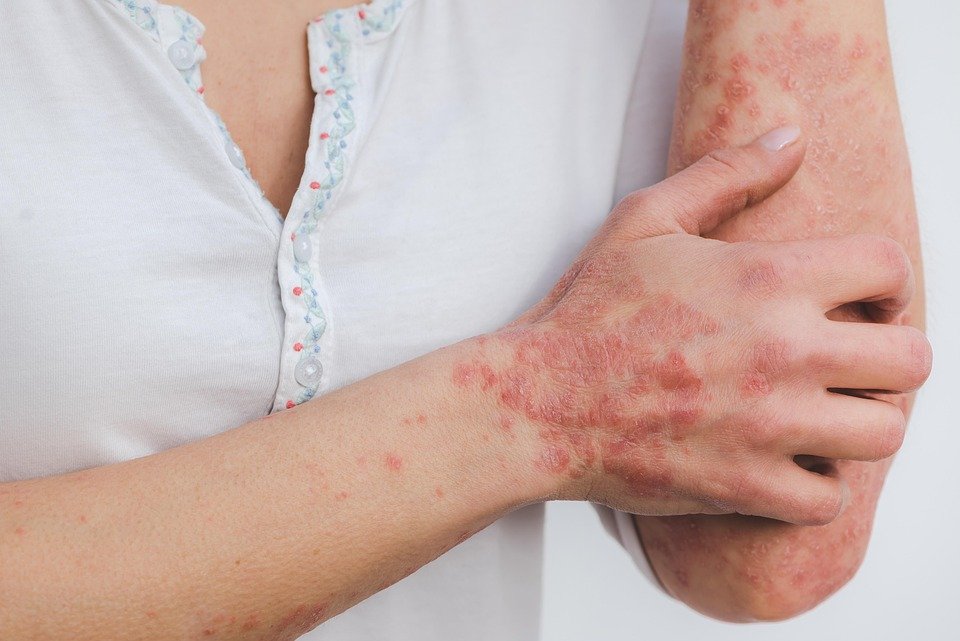
Psoriasis is an autoimmune skin disorder that speeds up the life cycle of skin cells. This results in a buildup of cells on the surface of the skin, causing red patches, flaking, and sometimes itching. Psoriasis can occur on various parts of the body, including the scalp, elbows, knees, and lower back. Understanding this condition is the first step to managing it effectively.
Common Myths About Psoriasis
There are many myths about psoriasis that can lead to confusion. Here are some common false beliefs:
Myth 1: Psoriasis is Contagious
One of the most pervasive myths is that psoriasis can be spread from person to person. This couldn’t be further from the truth. Psoriasis is not contagious; it’s an autoimmune condition influenced by genetics and environmental factors. You cannot “catch” psoriasis from someone.
Myth 2: Psoriasis is Just a Skin Condition
Many people believe that psoriasis only affects the skin. While it’s mainly a skin disorder, it can have systemic effects. Individuals with psoriasis are at a higher risk for other health issues, such as psoriatic arthritis, cardiovascular disease, and diabetes. This underscores the need for comprehensive care.
Myth 3: Diet Has No Impact on Psoriasis
Some people think that what they eat doesn’t affect their psoriasis symptoms. However, emerging research suggests that certain foods may trigger flare-ups. Diets rich in omega-3 fatty acids, antioxidants, and anti-inflammatory foods may help reduce symptoms. Keeping a food journal can be beneficial in identifying specific triggers.
Myth 4: Psoriasis is Only an Issue for Adults
Psoriasis can affect individuals of any age, including children. While it often develops in young adults, many children and adolescents also experience symptoms. Early diagnosis and treatment are crucial in managing this condition effectively.
Important Facts About Psoriasis
Now that we’ve clarified some myths, let’s explore some important facts about psoriasis:
Fact 1: Psoriasis is Autoimmune
Psoriasis occurs when the immune system mistakenly attacks healthy skin cells, leading to inflammation and rapid skin cell production. This autoimmune nature is essential to understand for effective treatment and management options.
Fact 2: Treatment Options Are Available
There are many treatment options available for managing psoriasis, including topical treatments, phototherapy, and systemic medications. Your healthcare provider can help tailor a treatment plan based on your specific needs and the severity of your condition.
Fact 3: Emotional Well-being Matters
Living with psoriasis can take a toll on mental health. People with the condition may experience anxiety, depression, or low self-esteem due to the visible nature of the disease. Seeking support from mental health professionals or support groups can be beneficial.
Fact 4: Regular Check-Ups Are Essential
Because psoriasis is linked to various health conditions, regular check-ups with a healthcare provider are crucial. Monitoring your overall health can help prevent complications associated with psoriasis.
Conclusion
Understanding psoriasis is key to navigating this complex condition. By debunking myths and recognizing the facts, you can take proactive steps toward managing symptoms and improving your quality of life. If you or someone you know struggles with psoriasis, don’t hesitate to reach out to healthcare professionals for guidance and support.
Frequently Asked Questions (FAQs)
1. Is there a cure for psoriasis?
No, there is currently no cure for psoriasis. However, various treatments can help manage symptoms and reduce flare-ups.
2. Can stress worsen psoriasis symptoms?
Yes, stress is a well-known trigger for psoriasis flare-ups. Managing stress through relaxation techniques, exercise, and healthy coping mechanisms is essential.
3. Are there any natural remedies for psoriasis?
While some people find relief through natural remedies such as aloe vera or oatmeal baths, it’s important to consult with a healthcare provider before trying any new treatments.
4. Can psoriasis affect the nails and joints?
Yes, psoriasis can affect nails, causing pitting and discoloration, and can lead to psoriatic arthritis, which affects the joints.
5. What lifestyle changes can help manage psoriasis?
Maintaining a healthy diet, managing stress, staying hydrated, and avoiding known triggers can all help in managing psoriasis effectively.
[ad_2]