Skip to content
[ad_1]
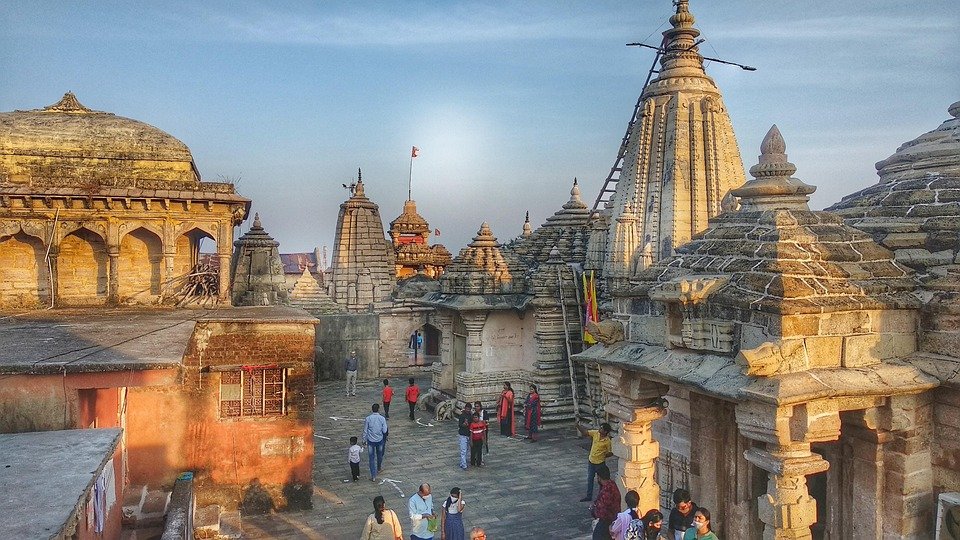
India, a country brimming with rich cultural heritage and a storied past, offers a mosaic of historical sites that tell the tales of empires, artisans, and civilizations. From the monumental grandeur of palaces to the serene sanctity of temples, each site is a testament to the incredible craftsmanship and resilience of the Indian people. This article will guide you through some of India’s most iconic historical sites, showcasing their significance and the unique stories behind them.
The Taj Mahal: A Testament of Love
No journey through India’s historical treasures would be complete without mentioning the Taj Mahal. Located in Agra, this UNESCO World Heritage Site is not just a symbol of love but also a magnificent architectural masterpiece. Built by Emperor Shah Jahan in memory of his beloved wife Mumtaz Mahal, the Taj Mahal combines elements of Persian, Islamic, and Indian architectural styles.
The stark white marble façade, which changes color throughout the day, reflects the art and culture of Mughal architecture. Visitors can explore the intricate inlay work, exquisite gardens, and the serene Yamuna River that flows alongside this iconic structure. The experience of visiting the Taj Mahal is both emotional and awe-inspiring, making it a must-see for any traveler.
Hampi: The Ruined Kingdom
Traveling south, Hampi stands as a silent witness to the grandeur of the Vijayanagara Empire. This UNESCO site features remarkable ruins surrounded by captivating landscapes dotted with boulders and lush greenery. Hampi was once a bustling metropolis, known for its wealth and cultural richness, and today, its ancient temples, royal structures, and markets are a testament to its historic significance.
Key attractions include the Virupaksha Temple, which is still active and vibrantly adorned during festivals, and the Vittala Temple, famous for its stone chariot. As you wander through the site, the echoes of history resonate, offering a glimpse into the life of a once-flourishing city.
Jaipur: The Pink City
Jaipur, the capital of Rajasthan, is often referred to as the Pink City due to the distinct color of its buildings. Known for its rich history and royal legacy, Jaipur boasts numerous architectural wonders. The Amer Fort, perched on a hill, exemplifies the grandeur of Rajputana architecture, with intricate mirror work and sprawling courtyards.
The City Palace, once the residence of the royal family, showcases a blend of Mughal and Rajput architecture, while the Hawa Mahal, or the Palace of Winds, is known for its stunning facade and intricate latticework. Jaipur is also a gateway to exploring local culture, with vibrant bazaars offering textiles, jewelry, and handicrafts.
Ajanta and Ellora Caves: Art in Stone
A visit to India would be incomplete without experiencing the Ajanta and Ellora Caves in Maharashtra. These UNESCO World Heritage Sites represent remarkable feats of ancient rock-cut architecture.
The Ajanta Caves date back to the 2nd century BCE and feature magnificent murals and sculptures depicting Buddhist teachings and life. The Ellora Caves, younger than Ajanta, showcase a blend of Buddhist, Hindu, and Jain rock-cut temples, with the Kailasa Temple standing as the highlight—a single monolithic structure carved from a single rock.
Visitors are often left mesmerized by the intricate carvings and the serene atmosphere that envelops these caves, making them a sacred spiritual journey.
Khajuraho: The Temples of Love
Renowned for their intricate erotic sculptures, the Khajuraho Temples in Madhya Pradesh are an artistic marvel. Built during the Chandela dynasty between 950 to 1050 CE, these temples celebrate life, love, and the divine.
The Western group of temples, including the Kandariya Mahadeva Temple, is particularly famous for its intricate depictions of human emotions, relationships, and everyday life. What’s fascinating is how the sculptures are not only artistic but also reflect the social fabric of the time. Visiting Khajuraho is a journey into the exploration of art and devotion, evoking thought on the many aspects of human existence.
The Forts of Rajasthan: Stories of Valor
Rajasthan is synonymous with grandeur, and its forts tell tales of bravery and intrigue. The Mehrangarh Fort in Jodhpur offers breathtaking views and showcases the eclectic architecture that spans centuries. The fort also houses a museum with artifacts that tell the story of the Marwar kingdom.
The Chittorgarh Fort stands as an emblem of Rajput pride and resilience. The fort’s ruins are dotted with palaces, temples, and water bodies, offering a glimpse into its historical significance, marked by the tales of Rani Padmini and her unwavering courage.
The Golden Temple: A Spiritual Haven
Located in Amritsar, the Golden Temple, or Harmandir Sahib, is a spiritual and cultural beacon for Sikhs around the world. The temple’s stunning architecture, adorned with gold leaf and marble, reflects peace and tranquility.
Pilgrims and visitors flock here, not only to admire its beauty but also to partake in the community kitchen (Langar), which serves free meals to thousands every day, showcasing the principle of equality and service. A visit to the Golden Temple is an experience steeped in spirituality and social harmony.
FAQs
1. What is the best time to visit these historical sites in India?
The best time to visit is between October and March when the weather is pleasant. Avoiding the monsoon season (June to September) is also advisable for easier travel.
2. Are these sites accessible for physically challenged visitors?
Many major sites, like the Taj Mahal and the Golden Temple, have facilities for the physically challenged, but accessibility might vary for others. It’s recommended to check in advance for any specific needs.
3. Is there an entry fee for these historical sites?
Yes, most historical sites do have an entry fee. Indian citizens typically pay a lower rate than foreign visitors. Always check the official site or local information for the latest fees.
4. Are guided tours available?
Yes, guided tours are available at most major historical sites, which can enhance the experience by providing in-depth historical and cultural insights.
5. What other activities can I do near these sites?
Many historical sites are located near vibrant markets, local eateries, and cultural workshops. It’s worth exploring local cuisines, handicrafts, and art forms to enrich your experience further.
In conclusion, India is home to a myriad of historical treasures, each offering a unique glimpse into the nation’s rich tapestry of culture and history. From the romanticism of the Taj Mahal to the spiritual depths of the Golden Temple, each site resonates with stories waiting to be discovered. Embark on this journey, and let India’s timeless treasures enrich your understanding of a civilization that has thrived for millennia.
[ad_2]