Skip to content
[ad_1]
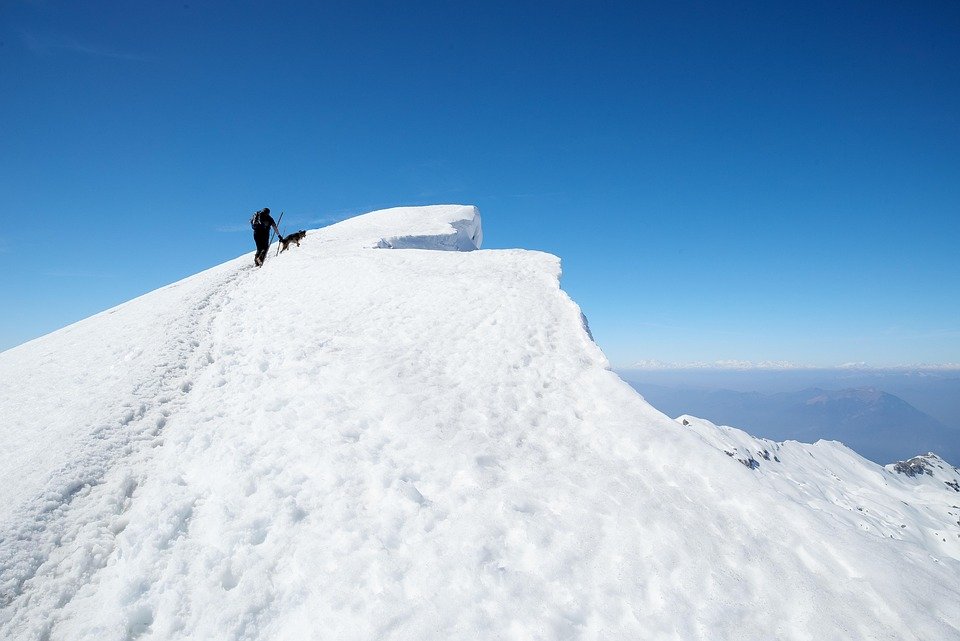
Mountain trekking is more than just a physical activity; it’s a transformative journey that allows you to connect with nature, challenge your limits, and experience the breathtaking beauty of the world from a unique vantage point. Whether you’re plotting your first ascent or have some experience under your boots, this guide will help you prepare for your trekking adventures.
Understanding Mountain Trekking
Mountain trekking, often referred to as hiking or backpacking, involves walking in mountainous regions, typically over challenging terrain. Unlike casual walking or strolling, trekking requires a good level of fitness, planning, and the right gear. It offers not only the thrill of adventure but also the chance to immerse yourself in nature.
Why Trek?
- Physical Health: Trekking is a full-body workout. It builds muscle, improves cardiovascular health, and can aid in weight management.
- Mental Health: Being in nature reduces stress and anxiety. The calming effects of fresh air and scenic views can enhance your mood and mental clarity.
- Environmental Connection: Trekking fosters a deeper appreciation for the natural world, encouraging sustainable practices.
Preparing for Your Trek
1. Choose Your Destination
Selecting the right trekking destination is vital. Here are some popular options for beginners:
- National Parks: Parks like Yosemite, Banff, and the Great Smoky Mountains offer well-marked trails, accessible facilities, and stunning scenery.
- Scenic Trails: Trails such as the Appalachian Trail, Pacific Crest Trail, or the Inca Trail provide varying levels of challenge and beauty.
2. Physical Conditioning
Before you hit the trails, it’s essential to prepare your body:
- Cardiovascular Exercise: Activities like running, swimming, or cycling build endurance.
- Strength Training: Focus on leg, core, and back strength with exercises like squats, lunges, and deadlifts.
- Practice Hikes: Start with short hikes and gradually increase the duration and difficulty.
3. Gear Essentials
Having the right gear can make or break your trekking experience:
- Footwear: Invest in high-quality, waterproof hiking boots with ankle support.
- Clothing: Layering is key. Use moisture-wicking base layers, insulating mid-layers, and a waterproof outer layer.
- Backpack: Choose a comfortable backpack that fits your torso and has adequate capacity for your gear and supplies.
- Trekking Poles: These can help reduce strain on your knees, especially during descents.
4. Navigation Skills
Understanding navigation basics is vital:
- Maps and Compass: Learn how to read topographic maps and use a compass.
- GPS Devices: While technology is helpful, don’t rely solely on devices; always carry a map as a backup.
5. Understand the Environment
Familiarize yourself with the climate and wildlife of your trekking destination:
- Weather Patterns: Check forecasts regularly and be prepared for sudden weather changes.
- Wildlife Safety: Learn how to react when encountering animals. Understanding their behavior is crucial for safety.
On the Trail: Trekking Tips
1. Start Early
Begin your trek early in the day to maximize daylight hours and avoid fatigue.
2. Pace Yourself
Set a comfortable pace. Remember, it’s better to arrive late than to exhaust yourself. Take breaks, stay hydrated, and enjoy the views.
3. Leave No Trace
Respect nature by following the Leave No Trace principles. Dispose of waste properly, stick to trails, and avoid disturbing wildlife.
4. Stay Hydrated and Nourished
Carry sufficient water and high-energy snacks. Dehydration can impair performance, so drink regularly, even if you’re not thirsty.
5. Listen to Your Body
If you’re feeling unwell or excessively fatigued, it’s important to rest or turn back. Safety should always be the priority.
Building Experience
As you gain confidence and experience, consider advancing your skills through:
- Guided Treks: Join guides for new trails to learn from experienced trekkers.
- Advanced Courses: Enroll in wilderness survival or navigation courses for further development.
Frequently Asked Questions (FAQs)
1. What is the best time of year for mountain trekking?
The best time varies by location, but generally spring and fall offer mild weather and fewer crowds. Summer is popular, but it can also bring extreme heat in some areas.
2. What should I do if I get lost on the trail?
Stay calm. Use your map and compass or GPS to determine your location. If you cannot find your way, retrace your steps, conserve energy, and stay put if it becomes dark.
3. How do I choose the right trekking boots?
Look for a sturdy, well-fitting boot with good ankle support. Waterproof materials are preferable, as they keep your feet dry in wet conditions. Try different brands and styles to find the best fit for you.
4. Can I trek alone, or should I go with a group?
While trekking alone can be rewarding, it’s safer to trek with a partner or group, especially in remote areas. If you prefer solo trekking, inform someone of your plans, and always prioritize safety.
5. How can I stay safe from wildlife?
Educate yourself about the wildlife in your area and store food properly. Make noise to avoid surprising animals, and know how to react if you encounter them.
6. What should I pack for a day hike versus an overnight trek?
For day hikes: water, snacks, first-aid kit, map, compass, and weather-appropriate clothing. For overnight treks: tent, sleeping gear, more food, cooking supplies, and additional layers.
7. Are there age restrictions for trekking?
There’s no strict age limit, but younger children may need to be accompanied by adults. Ensure that anyone participating is physically capable of handling the trek’s demands.
8. How can I find trekking trails?
Use websites, apps, or local park services to find trail maps and information. Guidebooks can also provide valuable insights into trail conditions and difficulty ratings.
9. Is mountain trekking expensive?
Costs can vary significantly. Basic expenses include travel, food, accommodations, and gear. Investing in quality gear is essential, but budget options exist for those starting.
10. What should I do about bathroom facilities?
In remote areas, you’ll need to follow Leave No Trace guidelines for human waste. Carry a trowel to dig a "cat hole" at least six inches deep and 200 feet from water sources.
Conclusion
Mountain trekking can be a life-changing experience. With the right preparation, knowledge, and mindset, you can conquer trails, savor natural beauty, and enjoy a rewarding journey in the great outdoors. Embrace the adventure, respect the environment, and take each step with purpose. Happy trekking!
[ad_2]