Skip to content
[ad_1]
Delhi, the bustling capital of India, is a city steeped in history, culture, and significance. From its ancient roots to its contemporary urban landscape, exploring Delhi is akin to traversing a captivating timeline. The city has witnessed the rise and fall of empires, the mingling of diverse cultures, and an evolution that has shaped not only India but the world. Join us on a journey through time as we delve into the rich history of Delhi.
Ancient Beginnings
Delhi’s history can be traced back to the 6th century BCE when it was known as "Indraprastha," the legendary city founded by the Pandavas in the great Indian epic, Mahabharata. Archaeological findings have uncovered remnants of this ancient city, revealing its significance as a center of power and culture.
The region continued to flourish throughout various dynasties, including the Mauryas and the Guptas. Under the Mauryan Empire, Delhi became a pivotal political hub. Emperor Ashoka, one of India’s most revered rulers, left his mark on the city with edicts that are still studied for their insights into governance and ethics.
The Medieval Era
By the 12th century, Delhi transformed into a major seat of power with the establishment of the Delhi Sultanate. This period was marked by the rise of several dynasties, including the Slavs, Khiljis, Tughlaqs, and Lodhis. Each dynasty contributed to the architectural and cultural fabric of the city.
The Qutub Minar, a UNESCO World Heritage site, stands as a testament to the architectural brilliance of the period. Built in 1193 by Qutb al-Din Aibak, it is the tallest brick minaret in the world and showcases intricate Indo-Islamic architecture.
The period also saw Delhi’s flourishing arts, literature, and scholarship. The establishment of universities and schools led to the spread of knowledge, fostering an environment of cultural exchange. The Persian influence permeated the city, reflected in the languages spoken and the arts produced.
The Mughal Era
The Mughal Empire, beginning in the early 16th century, brought unprecedented prosperity and cultural refinement to Delhi. Six Mughal emperors—the most notable being Akbar, Jahangir, and Shah Jahan—left an indelible mark on the city.
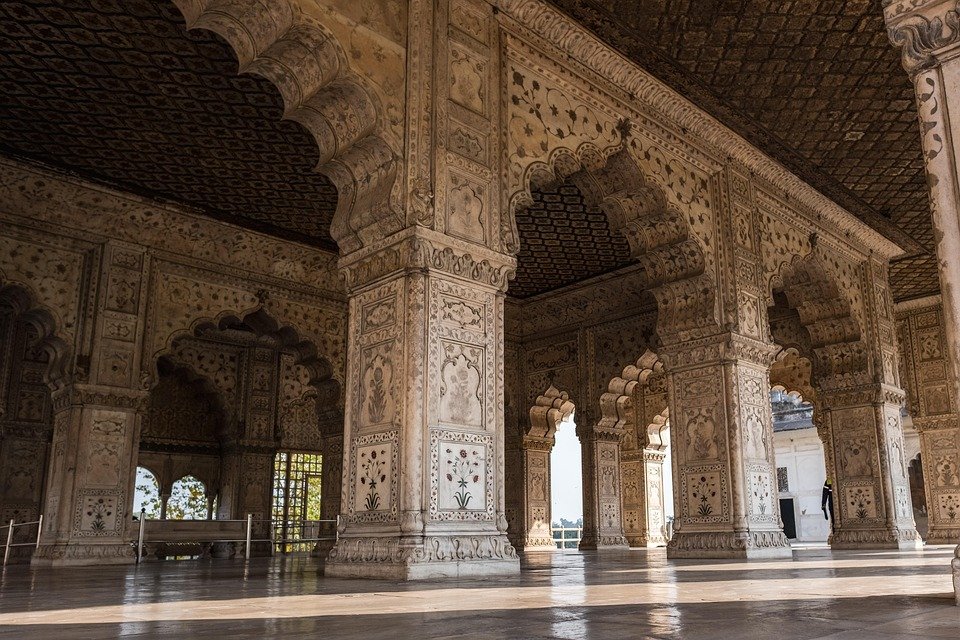
Shah Jahan’s reign (1628-1658) heralded the construction of some of Delhi’s most iconic landmarks. The Red Fort, a symbol of India’s independence, was built as the Mughal residence. Its imposing red sandstone walls and stunning gardens exemplify Mughal architecture.
The Taj Mahal, though located in Agra, is a product of the same architectural ethos spearheaded by Shah Jahan. The intricate inlay work and symmetrical design principles can be seen echoing through Delhi’s Mughal buildings.
The city also became a melting pot for cultures, as Persian, Turkish, Indian, and Central Asian influences merged to create a rich tapestry of tradition. Festivals, cuisine, and lifestyles flourished, reflecting this unique blend.
The Colonial Period
With the decline of the Mughal Empire in the 18th century, the rise of the British Raj brought significant changes to Delhi. Following the 1857 revolt against British rule, the city underwent massive changes. The British shifted their administrative capital from Calcutta to Delhi in 1911, paving the way for major urban planning initiatives.
The construction of New Delhi, designed by British architects Edwin Lutyens and Herbert Baker, was a monumental project that blended colonial and Indian architectural styles. Notable structures like the India Gate and the Rashtrapati Bhavan emerged during this era.
While colonial rule brought modernization, it also sparked significant social and political upheaval. The struggle for independence began to intensify, and Delhi became a focal point for nationalist movements.
Independence and Beyond
August 15, 1947, marked a pivotal moment for India and Delhi. As the country gained independence from British rule, Delhi became a symbol of national pride and resilience. The transition was not without challenges, as the partition of India led to mass migrations and communal strife.
Post-independence, Delhi transformed into a modern metropolis, attracting people from diverse backgrounds seeking opportunities. The city has become a hub for politics, trade, and culture, with ongoing developments anchored in its historical importance.
Modern Delhi
Today, Delhi is a vibrant amalgamation of ancient history and modernity. Skyscrapers stand alongside historical monuments, and traditional markets coexist with high-end retail complexes. The city remains a canvas for diverse cultures, languages, and cuisines.
Despite the rapid pace of urbanization, Delhi holds onto its historical essence. The preservation of sites like Humayun’s Tomb, the Jama Masjid, and the Lotus Temple reflects the city’s commitment to its heritage.
Delhi is also home to vibrant festivals that reflect its rich cultural heritage. Events like Diwali, Holi, Eid, and Christmas see enthusiastic participation from communities, illustrating the city’s commitment to unity in diversity.
Conclusion
Exploring the rich history of Delhi is a journey that requires more than just visiting landmarks; it involves understanding the narratives and traditions that shape the city. With each step, one uncovers layers of history that reveal the spirit of resilience and adaptability of its inhabitants.
From its ancient origins to its present-day complexities, Delhi stands as a testament to the interplay of history, culture, and society. It invites visitors and locals alike to engage with its heritage and cherish the stories that have shaped not just a city, but a nation.
Frequently Asked Questions (FAQs)
1. What is the best time to visit Delhi?
The best time to visit Delhi is during the winter months, from October to March, when the weather is pleasant and conducive for exploration.
2. What are the must-visit historical sites in Delhi?
Key sites include the Red Fort, Qutub Minar, Humayun’s Tomb, India Gate, and Jama Masjid, among others.
3. Is Delhi safe for tourists?
Delhi is generally safe for tourists. However, it’s advisable to take standard precautions, such as avoiding isolated areas at night and being mindful of personal belongings.
4. How can I experience the local culture in Delhi?
Engage with local markets, attend cultural festivals, try traditional cuisines, and explore heritage walks to immerse yourself in Delhi’s vibrant culture.
5. Are there any historical tours available?
Yes, several guided historical tours are available, covering various themes such as Mughal architecture, the colonial era, and the freedom struggle, allowing visitors to delve deeper into Delhi’s past.
[ad_2]