Skip to content
[ad_1]
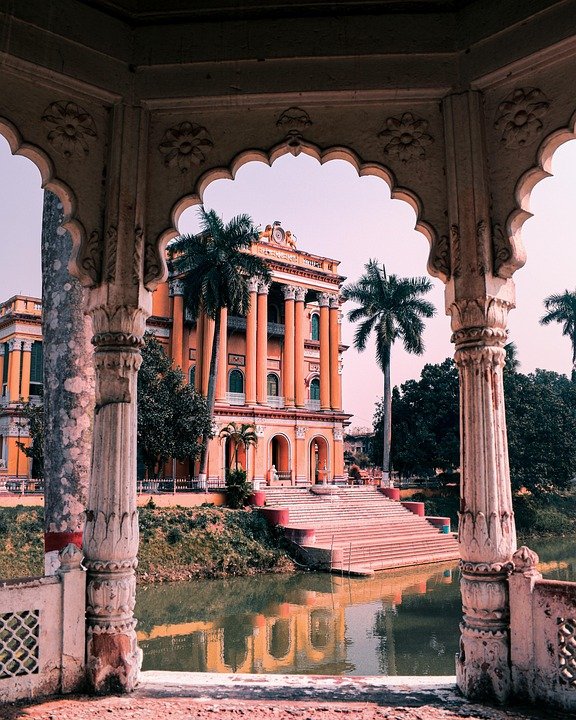
Kolkata, formerly known as Calcutta, is a city that embodies the essence of India’s cultural and historical richness. Often referred to as the "City of Joy," it stands as a vibrant tapestry woven from threads of various traditions, languages, and artistic expressions. Established during the British colonial era, Kolkata has evolved into one of India’s most significant urban centers, renowned for its intellectualism, artistic heritage, and culinary delights.
Historical Overview
Kolkata’s history is a blend of various influences ranging from indigenous cultures to colonial powers. The city was founded in the late 17th century as a major trading port for the East India Company. British colonial rule significantly shaped its infrastructure and institutional frameworks, leading to the establishment of numerous educational and cultural institutions. As India’s capital until 1911, Kolkata became the epicenter of political and literary movements, birthing the nation’s struggle for independence.
Cultural Diversity
Kolkata is home to diverse ethnicities and communities. The city’s population comprises Bengalis, Biharis, Marwaris, and immigrants from various parts of India and the world—each contributing to a rich cultural mosaic. This melting pot of cultures manifests in the city’s festivals, cuisine, and arts.
Festivals
Kolkata celebrates a myriad of festivals that reflect its pluralism. The most prominent of these is Durga Puja, a celebration dedicated to the goddess Durga. The festival transforms the city into a vibrant, colorful tableau of art and devotion. Over a span of ten days, pandals (temporary structures) are adorned with intricate designs and sculptures, showcasing the talents of local artisans.
Other significant festivals include Eid, Christmas, and the Bengali New Year (Pohela Boishakh), each marked by its unique traditions and communal spirit.
Art and Literature
The city has been a cradle for literary giants such as Rabindranath Tagore, the first non-Western Nobel laureate in literature. Tagore’s works are celebrated globally and delve into themes of love, nature, and nationalism. Kolkata’s literary heritage is preserved in its numerous bookstores, libraries, and the iconic Kolkata Book Fair, which draws bibliophiles from far and wide.
Art in Kolkata thrives in various forms—be it through traditional paintings, contemporary installations, or performing arts. The city boasts vibrant theater groups, dance troupes, and music festivals. Notable events like the Kolkata International Film Festival showcase cinematic talent from across the globe.
Culinary Landscape
Kolkata’s culinary scene is as diverse as its population. The city is renowned for its street food, with iconic dishes such as puchka (pani puri), kathi rolls, and jhal muri that tantalize taste buds. Bengali cuisine, characterized by its use of fish, rice, and various spices, is deeply cherished. Signature dishes like macher jhol (fish curry), shorshe ilish (hilsa fish in mustard sauce), and roshogolla (sweet syrupy dessert) highlight the region’s culinary prowess.
The city is also known for its tea culture, with numerous tea stalls serving chai (tea) and snacks, where people gather to catch up with friends, discuss politics, or simply enjoy the ambiance.
Architectural Marvels
Kolkata’s architecture narrates the story of its colonial past and indigenous heritage. The Victoria Memorial, an iconic structure, stands as a testament to the British love for grand designs. It houses a museum and is surrounded by lush gardens, making it a popular spot for picnics and leisurely strolls.
Another architectural gem is the Howrah Bridge, an engineering marvel that connects Kolkata to its twin city, Howrah. The bridge, with its iconic silhouette, has become an enduring symbol of Kolkata’s resilience and strength.
Educational Institutions
Kolkata is home to several prestigious educational institutions, including the University of Calcutta, Jadavpur University, and the Presidency University. These institutions have contributed to the city’s reputation as a hub for intellectual discourse and cultural activities. Celebrated alumni include writers, scientists, and politicians who have shaped India’s socio-political landscape.
The People of Kolkata
The soul of Kolkata lies in its people—warm, welcoming, and passionate. The city’s residents embody a spirited lifestyle, characterized by resilience and hope. Its intellectual community thrives on debates and discussions, whether in coffee houses or during festivals. The iconic College Street, lined with second-hand bookstores and coffee houses, serves as a haven for students and visitors seeking a piece of Kolkata’s literary legacy.
Modern Developments
In recent years, Kolkata has evolved with time, balancing tradition with modernity. The city has witnessed rapid urbanization, with the emergence of shopping malls, technological hubs, and modern residential complexes alongside traditional bazaars. The Kolkata Metro has improved the city’s connectivity, making it easier for residents to navigate the bustling urban landscape.
FAQs about Kolkata
1. What is the best time to visit Kolkata?
The ideal time to visit Kolkata is between October and March, when the weather is pleasant and numerous festivals, including Durga Puja, take place.
2. What are some must-try foods in Kolkata?
You must try puchka, kathi rolls, macher jhol, and desserts like roshogolla and sandesh. The city’s street food scene is also vibrant and worth exploring.
3. How is the public transport system in Kolkata?
Kolkata has a well-connected public transport system, including buses, trams, auto-rickshaws, and the Kolkata Metro, making it easy to navigate the city.
4. Are there any famous landmarks in Kolkata?
Yes, notable landmarks include the Victoria Memorial, Howrah Bridge, Dakshineswar Kali Temple, and the Marble Palace.
5. What cultural events should I not miss in Kolkata?
Do not miss Durga Puja, the Kolkata International Film Festival, and the Kolkata Book Fair. These events offer a glimpse into the city’s rich cultural heritage.
6. Is Kolkata safe for tourists?
Kolkata is generally safe for tourists; however, it is advisable to stay vigilant and practice common safety precautions, especially when traveling alone or at night.
In conclusion, Kolkata—The City of Joy—is a vibrant mosaic of cultures that celebrates its past while embracing the future. From its rich history and literary heritage to its culinary delights and artistic expressions, Kolkata offers an unforgettable experience that resonates in the hearts of all who visit. Whether you are drawn by its spiritual vibrancy, cultural richness, or warm hospitality, Kolkata invites you to explore and immerse yourself in its unique charm.
[ad_2]