Skip to content
[ad_1]
India, a land of diverse cultures, languages, and geography, is home to some of the most iconic landmarks in the world. These majestic marvels stand as testaments to India’s rich history, architectural brilliance, and cultural heritage. From ancient forts to modern urban landmarks, each site tells a unique story that draws millions of tourists from across the globe. This article explores some of these iconic landmarks, delving into their historical significance, architecture, and timeless allure.
1. The Taj Mahal
Location: Agra, Uttar Pradesh
Arguably the most famous landmark in India, the Taj Mahal is a UNESCO World Heritage Site and an emblem of love. Built by Mughal Emperor Shah Jahan in memory of his beloved wife, Mumtaz Mahal, it took over 20 years to complete and was finished in 1653. The monument is renowned for its stunning white marble façade that reflects hues of pink and orange during sunrise and sunset.
Architectural Brilliance
The Taj Mahal is an exquisite blend of Persian, Islamic, and Indian architectural styles. The intricate inlay work, made from semi-precious stones, adorns the walls and adds to the monument’s enchanting beauty. The symmetrical gardens, reflecting pool, and grand entrance gate enhance the overall symmetry and artistry of the site.
2. Jaipur’s Hawa Mahal
Location: Jaipur, Rajasthan
Known as the “Palace of Winds,” Hawa Mahal is a unique structure that stands out for its intricate façade. Built in 1799 by Maharaja Sawai Pratap Singh, this five-story palace was designed so that royal women could observe street festivals without being seen.
Unique Architecture
The façade, with its 953 small windows (jharokhas), is a stunning example of Rajput architecture. It enables cool air to flow through the building, making it a comfortable retreat during the scorching heat of Rajasthan. The delicate latticework and vibrant pink sandstone further add to its charm.
3. The Qutub Minar
Location: Delhi
Regarded as the tallest brick minaret in the world, the Qutub Minar is a UNESCO World Heritage Site that stands at an impressive height of 73 meters. Its construction began in the 12th century under the rule of Qutb al-Din Aibak, with subsequent additions by later rulers.
Historical Significance
The Qutub Minar is surrounded by beautiful Indo-Islamic architecture, including the Iron Pillar of Delhi, which is famous for its rust-resistant composition. The minaret’s intricate carvings and inscriptions in Arabic reflect the artistry and craftsmanship of the time.
4. The Gateway of India
Location: Mumbai, Maharashtra
The Gateway of India was built in 1924 to commemorate the visit of King George V and Queen Mary to India. This monument signifies the grandeur of the British Raj and holds historical significance as a departure point for British troops leaving India after independence.
Architectural Influence
The monument stands at 26 meters and is a blend of Hindu and Muslim architectural styles. Made from yellow basalt, it features an archway that is prominently displayed against the backdrop of the Arabian Sea. The Gateway is also a popular meeting point for locals and tourists alike, representing the spirit of Mumbai.
5. Mysore Palace
Location: Mysore, Karnataka
Mysore Palace, known for its stunning architecture and rich history, is the residence of the Wadiyar dynasty. This royal palace is a blend of Gothic, Indo-Saracenic, and Roman styles, showcasing the grandeur of Karnataka’s royal heritage.
A Royal Haven
The palace is adorned with intricate carvings, stained glass, and a beautiful array of paintings depicting the history of the region. The illumination of the palace during the Dussehra festival, when it is lit with thousands of bulbs, is a sight to behold.
6. The Golden Temple
Location: Amritsar, Punjab
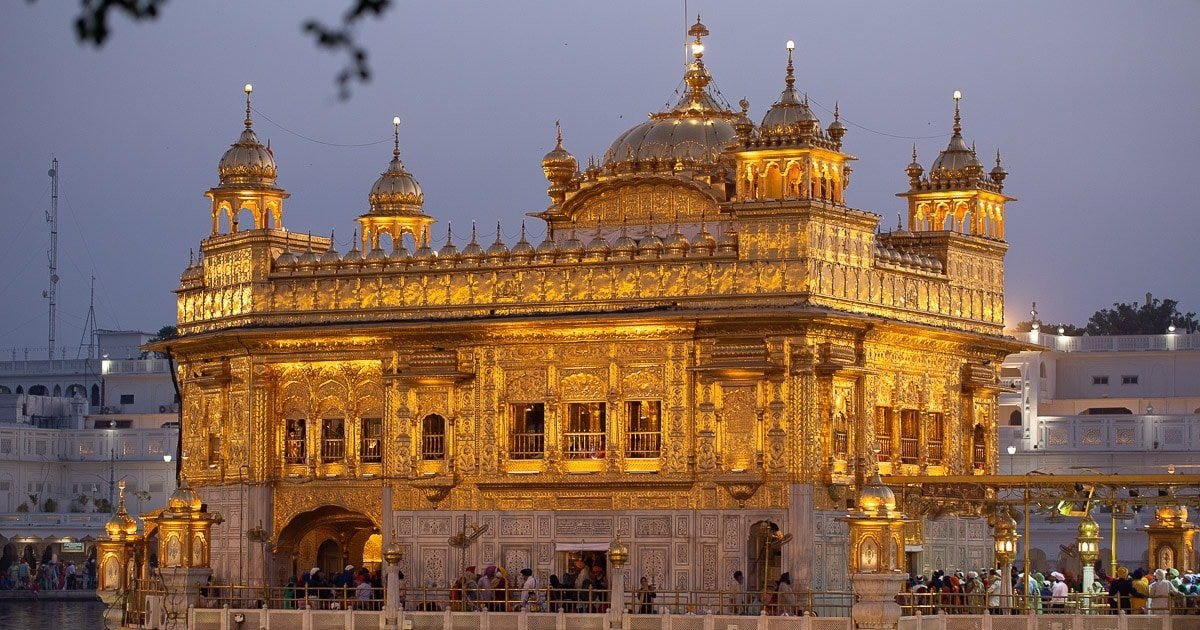
Harmandir Sahib, popularly known as the Golden Temple, is the holiest Gurdwara of Sikhism. It was completed in the late 16th century and is renowned for its stunning golden dome and serene surroundings.
Spiritual Essence
The temple is surrounded by a sacred pool known as the Amrit Sarovar. Pilgrims from various backgrounds visit the temple to experience its spiritual ambiance and partake in the community kitchen (langar), which serves free meals to thousands of visitors daily.
7. The Ajanta Caves
Location: Maharashtra
The Ajanta Caves, a UNESCO World Heritage Site, are an extraordinary collection of rock-cut Buddhist caves dating back to the 2nd century BCE to 6th century CE. These caves serve as a testament to ancient Indian art and architecture.
Artistic Heritage
The exquisite murals and sculptures found in the Ajanta Caves depict the life of Buddha and various Jataka tales, showcasing the exceptional artistry of ancient craftspeople. The caves are a significant pilgrimage site for Buddhists and art enthusiasts.
8. The Red Fort
Location: Delhi
The Red Fort, or Lal Qila, is a UNESCO World Heritage Site that served as the main residence of Mughal emperors for nearly 200 years. Built by Shah Jahan in 1639, the fort features beautiful gardens, palatial halls, and massive walls.
Historical Context
The Red Fort’s architectural design reflects a synthesis of Persian, Timurid, and Indian styles. The fort is not only a symbol of India’s rich history but also hosts the annual Independence Day celebrations, making it a site of national significance.
9. The Sun Temple at Konark
Location: Odisha
The Sun Temple, a UNESCO World Heritage Site, is a stunning representation of Kalinga architecture. Built in the 13th century, the temple is designed in the shape of a gigantic chariot, with twelve pairs of intricately carved wheels.
A Symbol of Glory
Dedicated to the Sun God, Surya, the temple showcases exquisite sculptures depicting vibrant life and the universe’s cosmic order. Though partially in ruins, the artistry of the remaining structures captivates visitors and reflects ancient engineering prowess.
10. The Charminar
Location: Hyderabad, Telangana
The Charminar, which translates to “Four Minarets,” is an iconic symbol of Hyderabad and was built in 1591. It stands as a monument celebrating the city’s cultural diversity.
Architectural Splendor
The structure features four grand arches and intricate stucco work, making it a splendid example of Indo-Islamic architecture. The bustling markets surrounding the Charminar add to its vibrancy and offer a taste of the rich culinary heritage of Hyderabad.
Conclusion
India’s iconic landmarks are more than just tourist attractions; they are testimonies of the country’s rich history, cultural diversity, and artistic expression. Visiting these sites offers a chance to experience the grandeur and stories that have shaped India over centuries. Whether you stand in awe of the Taj Mahal’s marble beauty, navigate the bustling streets around the Charminar, or explore the historical depths of the Ajanta Caves, each landmark invites you to uncover the enduring legacy of India.
FAQs
1. What is the best time to visit these landmarks in India?
The best time to visit India’s landmarks is during the winter months (October to March) when the weather is pleasant.
2. Are these landmarks accessible to all visitors?
Most of the iconic landmarks are accessible to visitors but might have special arrangements for differently-abled individuals. It’s advisable to check in advance.
3. Is there an entrance fee for these sites?
Yes, many of these landmarks have an entrance fee. The fee varies depending on the site and whether you are a domestic or foreign visitor.
4. Are guided tours available at these landmarks?
Yes, many landmarks offer guided tours. Hiring a local guide can enhance your experience by providing in-depth historical context and interesting anecdotes.
5. Can I take photographs at these sites?
Photography is permitted at most landmarks, but certain areas may have restrictions. Always check the guidelines posted at the site before capturing photographs.
India’s iconic landmarks continue to inspire awe and admiration, embodying the spirit of a nation rich in heritage and diversity. Whether it’s your first visit or a return, these marvels are waiting to tell their age-old tales.
[ad_2]