Skip to content
[ad_1]
Nestled within the vibrant landscape of Rajasthan, Jaipur, often referred to as the “Pink City,” is a treasure trove of history, culture, and architectural grandeur. The city is home to some of the most stunning royal palaces in India, each telling a story of its own. The opulent interiors, exquisite designs, and rich heritage of the royal palaces of Jaipur attract countless visitors every year. In this article, we will delve into the majestic marvels of the city, exploring its royal heritage and architectural splendor.
The City of Jaipur: A Brief Overview
Founded in 1727 by Maharaja Sawai Jai Singh II, Jaipur was designed as a planned city. The Maharaja envisioned a city that mirrored the grandeur of its Mughal predecessors but also incorporated the aesthetics of his own Rajput heritage. The city’s streets are characterized by their uniformity, pastel-hued buildings, and a distinct blend of traditional and modern elements.
Architectural Influences
Jaipur’s royal palaces reflect a stunning amalgamation of Mughal, Rajput, and European architectural styles. The intricacies of the designs, elaborate carvings, and vibrant colors combine to create a visual feast. Each palace showcases unique features, providing insight into the rich cultural tapestry of Rajasthan.
Iconic Palaces of Jaipur
1. City Palace
The City Palace is a breathtaking complex that stands as a symbol of Jaipur’s royal legacy. Originally constructed in the 18th century, the palace serves as a museum today and exhibits a stunning collection of artifacts, textiles, and armory that belonged to the royal family. The architecture of the City Palace is a harmonious blend of Mughal and Rajput design, complete with majestic courtyards, gardens, and intricately adorned chambers.
Key Highlights:
- Chandra Mahal: This part of the palace is still the residence of the Maharaja of Jaipur. It features beautiful gardens, a museum, and stunning views of the city.
- Museums: The various museums within the complex, such as the Armory Museum and the Textiles Museum, provide insight into royal life and craftsmanship.
2. Hawa Mahal
Perhaps one of the most photographed structures in Jaipur, the Hawa Mahal, or “Palace of Winds,” is a stunning example of Rajput architecture. Built in 1799 by Maharaja Sawai Pratap Singh, this five-story façade, adorned with countless windows, allowed royal women to observe the bustling streets without being seen. The palace’s intricate latticework and pink sandstone make it a must-visit.
Key Highlights:
- Unique Structure: The iconic honeycomb-shaped exterior offers a unique perspective from every angle.
- Viewpoint: Climbing to the top offers sweeping views of the city and a closer look at the palace’s intricate designs.
3. Amer Fort
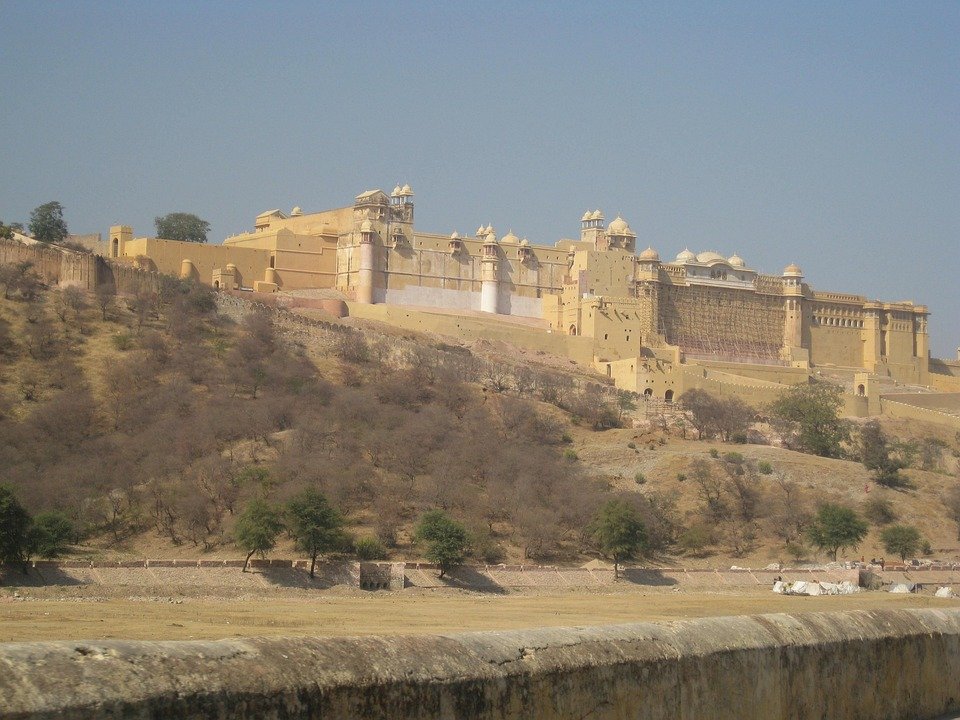
Located just a few kilometers from Jaipur, the Amer Fort (or Amber Fort) is a majestic blend of strength and elegance. This UNESCO World Heritage Site is set against the backdrop of the Aravalli Hills and showcases the best of Rajput architecture. The fort features a series of courtyards, gardens, and stunning palaces.
Key Highlights:
- Sheesh Mahal: This “Palace of Mirrors” is a striking hall adorned with mirrors and colored glass, which creates an enchanting ambiance.
- Elephant Rides: Visitors can enjoy a traditional elephant ride to the fort’s entrance, adding to the royal experience.
4. Jal Mahal
The Jal Mahal, or “Water Palace,” is a picturesque palace situated in the middle of Man Sagar Lake. Originally built as a retreat for the royal family, the palace blends seamlessly with its surroundings and offers a unique sight, especially when its reflections dance in the water.
Key Highlights:
- Scenic Beauty: The palace’s architecture and the tranquility of the lake provide a perfect backdrop for photography enthusiasts.
- Bird Watching: The area around Jal Mahal is also a great spot for bird watchers, especially during migratory seasons.
5. Nahargarh Fort
Perched on the Aravalli hills, Nahargarh Fort offers a panoramic view of Jaipur and is a fantastic place to enjoy the sunset. Built in 1734, it was designed to be a retreat for the royal family. The fort’s architecture exhibits a blend of Indian and European styles.
Key Highlights:
- Rooftop Views: The fort features several observation points that provide breathtaking views of the pink city.
- Heritage Walks: Trails around the fort offer opportunities for explorations and interactions with local flora and fauna.
Cultural Significance
The royal palaces of Jaipur are not just architectural marvels; they also serve as poignant reminders of the city’s rich heritage. They are the venues for various cultural events, festivals, and traditional celebrations, offering insight into the royal lifestyle, customs, and traditions that have been preserved through generations.
Culinary Explorations
No visit to Jaipur would be complete without indulging in its delectable cuisine. The royal kitchens of Jaipur have given birth to various iconic Rajasthani dishes like Dal Baati Churma, Gatte ki Sabzi, and the famous sweets such as Ghevar and Lassi. Many of the palace museums also have attached cafes or restaurants where visitors can savor authentic Rajasthani flavors.
Practical Tips for Visitors
- Timing: Most palaces open early in the morning and close by late evening. Try visiting during weekdays to avoid large crowds.
- Dress Code: Semi-casual or traditional attire is recommended to respect the cultural heritage of the site.
- Guided Tours: Consider hiring a local guide to enrich your experience with detailed historical context and anecdotes about the royal family and their lifestyle.
Conclusion
The royal palaces of Jaipur, with their majestic architecture and historical significance, are not merely structures but living chronicles of a glorious past. Each palace offers a unique experience, narrating tales of courage, love, and luxury. Exploring these magnificent marvels allows travelers to step into a world of regal splendor, ensuring an unforgettable journey.
FAQs
1. What is the best time to visit Jaipur?
The ideal time to visit Jaipur is from October to March when the weather is pleasant.
2. How do I reach Jaipur?
Jaipur can be easily accessed by air, rail, or road. The Sanganer Airport connects the city to various domestic and international locations.
3. Are there guided tours available?
Yes, many tour operators offer guided tours that provide in-depth knowledge of the history and architecture of Jaipur’s palaces.
4. Can I take photographs in the palaces?
Photography is generally allowed in the palaces, but some areas may have restrictions, especially where flash is prohibited.
5. What should I wear while visiting the palaces?
Visitors are encouraged to wear comfortable yet respectful attire, preferably traditional Indian clothing to blend in with the local culture.
Exploring the royal palaces of Jaipur is not just about admiring architectural beauty but also about understanding the vibrant royal heritage that continues to shape the identity of this enchanting city.
[ad_2]