Skip to content
[ad_1]
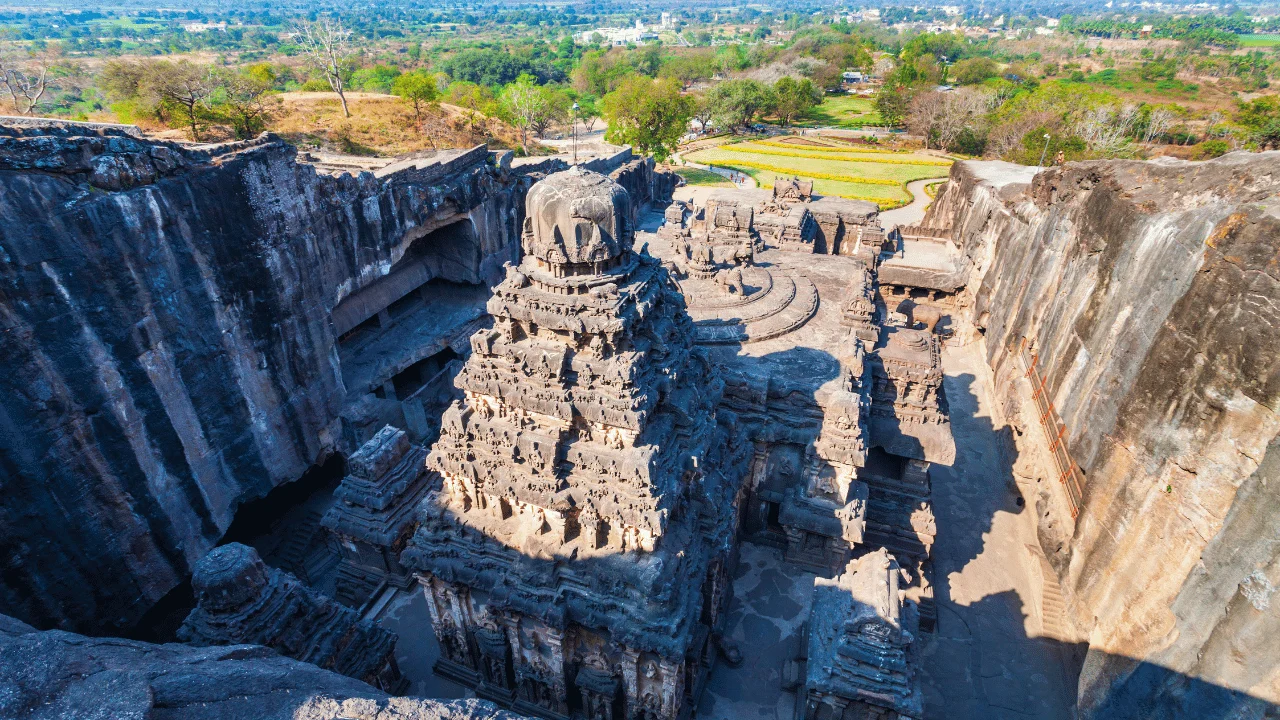
Pune, often referred to as the "Cultural Capital of Maharashtra," is a city that strikes a balance between tradition and modernity. Nestled in the Western Ghats, about 150 kilometers from Mumbai, Pune stands as one of the most vibrant cities in India. Known for its rich cultural heritage, educational institutions, and burgeoning IT industry, Pune has become a melting pot of diverse cultures.
Historical Significance
The history of Pune is deep-rooted, dating back to the 8th century. Initially, the city was under the rule of the Rashtrakutas, who contributed to its early development. However, it was under the reign of the Maratha Empire in the 17th century that Pune gained prominence. The city became the political center for Chhatrapati Shivaji Maharaj, a legendary figure in Indian history. His establishment of the Maratha Empire paved the way for Pune to evolve into a hub of culture, politics, and education.
The iconic Shaniwar Wada, built in 1732, stands as a testament to Pune’s glorious past. This historic fortification was the seat of the Peshwas of the Maratha Empire and remains one of the city’s most visited landmarks. The architectural style and the tales of bravery associated with it make Shaniwar Wada a symbol of pride for Puneites.
Cultural Landscape
Pune’s cultural landscape is incredibly diverse. The city observes various festivals with great enthusiasm, including Ganesh Chaturthi, Diwali, and Makar Sankranti. The Ganesh festival, in particular, is a grand celebration, with elaborate decorations, music, and community gatherings. Besides religious festivities, Pune is also known for its contribution to arts, music, and literature.
The Pune International Film Festival and the Sawai Gandharva Bhimsen Mahotsav are major annual events that attract artists and audiences from across the country. These festivals highlight the rich artistic legacy of the city, encompassing classical music, dance, theatre, and visual arts.
Educational Hub
Another aspect that contributes to Pune’s cultural status is its educational institutions. Known as the "Oxford of the East," Pune is home to numerous prestigious colleges and universities. It attracts students from all over the country and even internationally, providing an eclectic mix of voices, traditions, and ideas.
Institutions like the University of Pune, Fergusson College, and National Defence Academy offer a variety of courses and programs. The presence of such educational establishments adds to the city’s dynamic atmosphere, fostering innovation and intellectual discourse.
Culinary Delights
Pune’s cuisine is a reflection of its diverse culture. Traditional Maharashtrian dishes like Puran Poli, Misal Pav, and Bhakri are popular, but the city also offers a plethora of international cuisines. From street food stalls serving mouth-watering Vada Pav to high-end restaurants featuring global cuisine, the food scene in Pune is a treat for food enthusiasts.
The city also thrives on its cafes and eateries, many of which serve as informal meeting spots for students and professionals. The vibrant local food culture, combined with the bustling atmosphere, makes dining in Pune an experience in itself.
Modern Development
While Pune is deeply rooted in tradition, it is also rapidly developing as a modern urban center. With a booming IT sector, numerous multinational corporations have established their presence in the city. This economic growth has led to infrastructure development, making Pune one of the fastest-growing cities in India.
The Hinjawadi IT Park, Pune Metro, and several upcoming business districts are indicative of the city’s progress. However, despite this growth, Pune has managed to retain its cultural identity. Innovative cultural spaces, art galleries, and community events continue to flourish, merging Pune’s rich heritage with modernity.
Nature and Recreation
Pune is blessed with natural beauty. The lush greenery surrounding the city, along with numerous parks and hill stations, make it an ideal location for nature lovers. Places like Sinhagad Fort and Mulshi Lake are popular for trekking, picnics, and weekend getaways.
Pune’s commitment to environmental sustainability can be seen in its numerous gardens and parks. The Osho International Meditation Resort and the serene Koregaon Park area provide spaces for relaxation and spiritual pursuits, adding to the city’s holistic lifestyle.
Nightlife and Entertainment
Pune’s nightlife is diverse and offers something for everyone. From lively pubs and bars to cultural performances, the city has a thriving entertainment scene. Areas such as Koregaon Park and Viman Nagar are known for their vibrant atmosphere, boasting trendy lounges and dance clubs.
Aside from nightlife, Pune also has numerous theatres and performance arts venues, showcasing everything from plays to concerts. The city’s appreciation for music, dance, and drama is evident in its bustling cultural calendar.
Challenges
Like any rapidly growing urban center, Pune faces several challenges. Urbanization has led to increased traffic congestion and pollution. The city is also grappling with housing issues, with a significant rise in real estate prices affecting affordability for many residents. However, efforts are underway to address these challenges through urban planning and policy initiatives aimed at sustainable development.
Conclusion
Pune, with its rich blend of history, culture, education, and modern development, indeed holds the title of the "Cultural Capital of Maharashtra." As the city continues to evolve, it retains the essence of its heritage while embracing the future. For anyone looking to experience a city that harmonizes its past with contemporary aspirations, Pune is undoubtedly a destination worth exploring.
FAQs
1. What is the best time to visit Pune?
The best time to visit Pune is from October to February when the weather is pleasant and ideal for sightseeing.
2. What are some must-visit places in Pune?
Key attractions include the Aga Khan Palace, Shaniwar Wada, Sinhagad Fort, and the Pune Okayama Friendship Garden.
3. Is Pune safe for tourists?
Yes, Pune is generally safe for tourists, but common precautions should be taken as in any other city.
4. What is Pune famous for?
Pune is famous for its educational institutions, cultural festivals, and rich history, as well as its thriving IT and manufacturing sectors.
5. Can I find international cuisine in Pune?
Absolutely! Pune has a wide range of restaurants offering various international cuisines, including Italian, Chinese, and Mexican.
6. What festivals are celebrated in Pune?
Pune celebrates several festivals, with Ganesh Chaturthi being the most notable, along with Diwali, Makar Sankranti, and Gudi Padwa.
7. How is the public transport system in Pune?
Pune has a mix of public transport options, including buses, rickshaws, and an operational metro system, making it convenient to travel around the city.
[ad_2]