Skip to content
[ad_1]
The electric vehicle (EV) market is surging forward in 2023, fueled by innovation, sustainability, and changing consumer preferences. As we embrace cleaner alternatives, the landscape of transportation is evolving rapidly. In this article, we’ll explore the top ten trends that are shaping the future of the EV market, offering insights into what consumers and manufacturers can expect.
1. Advancements in Battery Technology
Battery technology is at the core of electric vehicles, directly influencing their performance, range, and cost. In 2023, we are seeing breakthroughs in solid-state batteries, which promise higher energy densities and faster charging times. With companies investing heavily in research, the next generation of batteries will likely enhance the overall EV experience.
2. Increasing Commitment to Sustainability
As climate change remains a pressing issue, sustainability has become a key focus for both consumers and manufacturers. In 2023, more companies are integrating eco-friendly materials in EV production, further reducing their carbon footprint. This trend aligns with growing consumer awareness and demand for greener, sustainable products.
3. Expansion of Charging Infrastructure
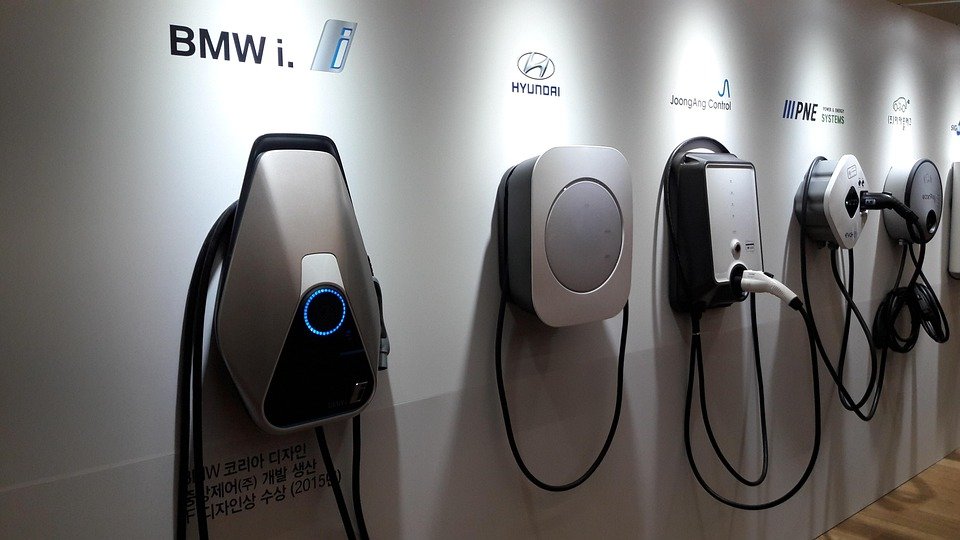
The availability of charging stations can make or break the EV experience. In 2023, we are witnessing significant investments in charging infrastructure, including fast chargers in urban areas and along highways. Governments and private companies are collaborating to ensure that charging points are accessible, alleviating range anxiety for current and future EV owners.
4. Government Incentives and Regulations
Many governments worldwide are implementing incentives to boost EV adoption. From tax credits to rebates, these initiatives aim to make electric vehicles more affordable. Additionally, regulatory standards are becoming stricter, pushing manufacturers to comply with emissions laws. This regulatory environment is creating a favorable market for electric vehicles.
5. Rise of Autonomous Vehicles
Autonomous driving technology is another area gaining traction in the EV sector. In 2023, we’re seeing advancements in self-driving capabilities, which are enhancing safety and convenience. Major automotive companies are testing and deploying autonomous EVs, which hold the potential to redefine personal and public transportation.
6. Growing Popularity of EVs in Emerging Markets
As awareness of environmental issues spreads, emerging markets are increasingly adopting electric vehicles. 2023 has seen a rise in affordable EV options tailored for these markets, making electric transportation more accessible. This expansion is crucial for global EV sales and helps reduce emissions in rapidly industrializing regions.
7. Integration of Smart Technologies
Incorporating smart technologies into electric vehicles is becoming a norm. Features such as smartphone connectivity, advanced driver-assistance systems (ADAS), and over-the-air updates are becoming standard in 2023. These innovations enhance the user experience, making electric vehicles more attractive to tech-savvy consumers.
8. Corporate Fleet Electrification
Businesses are increasingly recognizing the benefits of electrifying their vehicle fleets. In 2023, many corporate entities are making strides towards sustainable operations by investing in electric commercial vehicles. This shift not only reduces carbon emissions but also helps companies save on fuel and maintenance costs, demonstrating a commitment to environmental responsibility.
9. Continued Growth in EV Models
The variety of electric vehicle models available to consumers is expanding rapidly. In 2023, manufacturers are launching an array of options, from compact cars to SUVs and trucks. This growing selection caters to diverse consumer needs, facilitating a smoother transition to electric mobility.
10. Global Collaboration
Electric vehicle innovation is not limited to one country or region; global collaboration is key. In 2023, partnerships between manufacturers, technology firms, and governments are leading to shared advancements in EV technology. Such collaborations help accelerate the development and deployment of electric vehicles across the globe.
Conclusion
The electric vehicle market is on the brink of transformation in 2023, driven by technological advancements, sustainability, and consumer demand. As battery technology improves, charging infrastructure expands, and government policies become more supportive, the future looks promising for electric vehicles. Embracing these trends will not only contribute to a cleaner planet but also revolutionize our transportation systems.
Frequently Asked Questions (FAQ)
- What is the lifespan of an electric vehicle battery?
Most electric vehicle batteries have a lifespan of 8 to 15 years, depending on usage and technology. - Are electric vehicles more expensive than traditional cars?
While initial costs can be higher, electric vehicles often save money over time due to lower fuel and maintenance costs. - How long does it take to charge an electric vehicle?
Charging times vary; a standard home charger may take several hours, while fast chargers can recharge up to 80% in about 30 minutes. - Do electric vehicles have a good resale value?
Yes, electric vehicles tend to maintain their value well, particularly as demand for them increases. - Can electric vehicles be charged at home?
Absolutely! Many electric vehicle owners install home charging stations for convenience.
[ad_2]