Skip to content
[ad_1]
Introduction
As we navigate through the 21st century, technology continues to shape our lives in profound ways. Among these innovations, smart car technology stands out as a game-changer in the automotive world. From enhancing safety to providing unprecedented convenience, smart cars are not just vehicles; they are an extension of our digital lives. In this article, we will explore how smart car technology is revolutionizing driving today and what it means for the future.
Understanding Smart Car Technology
Smart car technology brilliantly integrates advanced electronic systems into vehicles, enabling them to communicate with each other and with infrastructure. This interconnectedness allows for real-time data exchange, making driving safer and more efficient. Key features include GPS navigation, adaptive cruise control, and parking assistance, which have been designed to enhance the driving experience significantly.
Enhanced Safety Features
One of the most significant advantages of smart car technology is its potential to enhance safety. With features like automatic emergency braking, lane departure warnings, and collision detection, these vehicles help prevent accidents before they occur. Additionally, many smart cars come equipped with advanced driver-assistance systems (ADAS) that monitor driver behavior and road conditions in real time, further minimizing risks.
Improved Fuel Efficiency
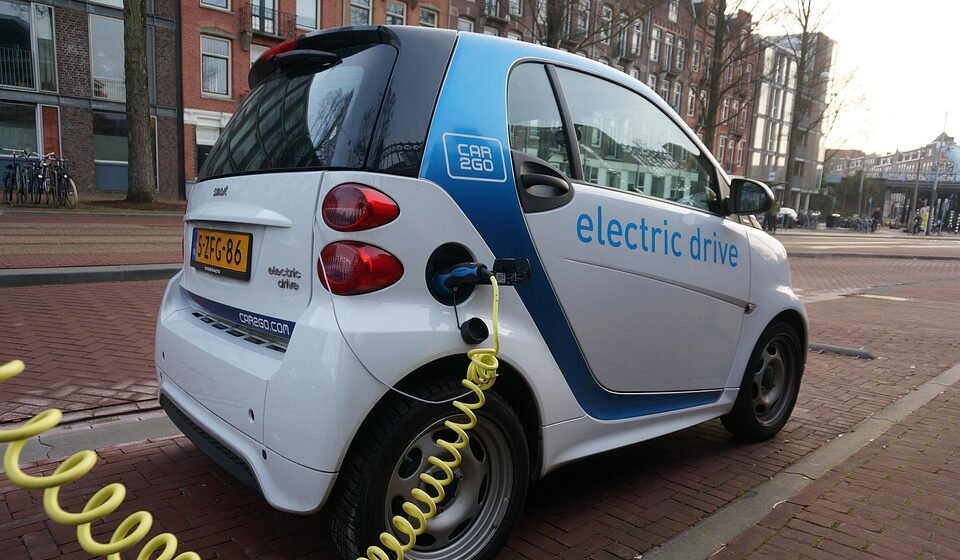
Smart car technology also contributes to fuel efficiency. Vehicles equipped with smart navigation can optimize routes to avoid traffic jams, thereby reducing fuel consumption. Furthermore, many smart cars utilize hybrid or electric powertrains, which are designed to decrease reliance on fossil fuels. This shift not only saves money at the pump but also promotes a healthier planet by reducing emissions.
The Rise of Autonomous Vehicles
Perhaps the most exciting aspect of smart car technology is the development of autonomous vehicles. These self-driving cars utilize sensors, cameras, and artificial intelligence to navigate without human input. Although fully autonomous vehicles are still undergoing testing, they have the potential to change the face of transportation profoundly, making it possible for everyone to travel safely and efficiently.
Connecting the In-Car Experience
Beyond safety and efficiency, smart car technology brings a wealth of connectivity to the driving experience. Features like in-car Wi-Fi and seamless smartphone integration allow passengers to stream music, access navigation apps, and stay connected while on the road. This level of connectivity transforms the car into an entertainment hub, making both short and long drives more enjoyable.
Challenges Ahead
Despite the many benefits, smart car technology also faces challenges. Cybersecurity is a significant concern, as the more interconnected systems are, the more vulnerable they may become to hacking. Regulatory hurdles and public skepticism about autonomous driving technology also pose obstacles to widespread adoption. Balancing innovation with safety and privacy remains a critical challenge for manufacturers and policymakers alike.
Conclusion
The revolution of smart car technology is reshaping the way we think about driving. With enhanced safety features, improved fuel efficiency, and the promise of autonomous vehicles, our automotive future looks bright. As these technologies continue to evolve, they will likely redefine transportation and encourage more sustainable practices. It’s clear: the future is indeed now, and it’s driving us toward uncharted territories.
Frequently Asked Questions (FAQ)
- 1. What is a smart car?
- A smart car is a vehicle equipped with various electronic systems that enhance connectivity, safety, and performance, often integrating features like navigation and driver-assistance technologies.
- 2. How do smart cars improve safety?
- Smart cars utilize advanced safety systems such as automatic emergency braking, lane departure warnings, and real-time monitoring to prevent accidents and enhance driver awareness.
- 3. Are autonomous vehicles safe?
- While autonomous vehicles feature advanced safety technologies, ongoing testing and regulatory measures are crucial to ensure their safety before widespread adoption.
- 4. Do smart cars consume less fuel?
- Yes, smart cars often feature optimized navigation systems and fuel-efficient hybrid or electric engines, resulting in improved fuel economy and lower emissions.
- 5. What are the major challenges facing smart car technology?
- Challenges include cybersecurity vulnerabilities, regulatory hurdles, and public acceptance, all of which need to be addressed for broader adoption.
[ad_2]